
Patient education | Grace Aesthetics, Pune
Vaginoplasty, perineoplasty and labiaplasty refer to procedures involving different anatomical areas. Because these terms can be used imprecisely, assessment should identify the anatomy, symptoms and goals before a procedure is recommended. This comparison is educational and does not determine suitability.
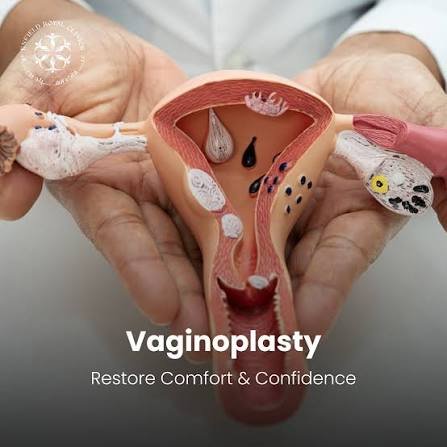
Vaginoplasty vs perineoplasty vs labiaplasty: at a glance
| Procedure or approach | Anatomical focus | Purpose and clinical discussion |
|---|---|---|
| Vaginoplasty | Selected vaginal canal tissues and/or support structures | Scope and technique depend on anatomy, symptoms and indication. |
| Perineoplasty | Perineal tissues near the vaginal opening | May address selected tissue changes or scars; sometimes combined with other repairs. |
| Labiaplasty | External labial tissues | Distinct external procedure; not vaginal canal surgery. |
| Pelvic-floor physiotherapy | Muscle function, coordination and rehabilitation | Conservative option for selected functional symptoms; not a surgical procedure. |
What is vaginoplasty?
Vaginoplasty is a term used for surgical procedures involving selected vaginal canal tissues and, depending on the case, associated support structures. The exact operation varies. A consultation should clarify the anatomical targets, indication, technique, expected limitations, risks and recovery.
What is perineoplasty?
Perineoplasty focuses on the perineal area near the vaginal opening. Depending on the concern and anatomy, it may address selected tissue changes or scars. It is not automatically the same as a vaginal canal repair and may be proposed alone or alongside another procedure in selected cases.
What is labiaplasty?
Labiaplasty refers to surgery involving external labial tissues. It is anatomically distinct from procedures on the vaginal canal or perineum. Individual anatomy varies naturally; an assessment should be respectful, symptom- and goal-led, and free of pressure to pursue surgery.
Could pelvic-floor physiotherapy or another non-surgical approach be appropriate?
Pelvic-floor physiotherapy may be considered for selected functional concerns. Pain, dryness, urinary symptoms, pelvic-floor dysfunction or prolapse symptoms may need different diagnosis-specific care. These treatments are not interchangeable; evaluation helps identify an appropriate option.
How a surgeon’s assessment helps choose the right procedure
Assessment may include childbirth and surgical history, symptoms, scar changes, pain, urinary or prolapse symptoms, pelvic-floor function, medical history, medications, expectations and future pregnancy plans. Any examination should be explained and consent-based. The proposed treatment should be linked to the specific concern—not simply to a marketing term.
Risks, limitations and realistic expectations
Depending on the procedure, risks can include bleeding, infection, wound-healing problems, scarring, pain, altered sensation, discomfort with intercourse, dissatisfaction or need for additional treatment. No procedure can guarantee improved sexual sensation, satisfaction or a particular appearance. Risk depends on procedure details and individual factors.
Questions to ask during a consultation in Pune
- Which anatomical structures are involved in my concern?
- What procedure are you proposing and why?
- Is physiotherapy or another conservative treatment worth considering?
- What are the potential risks, limitations and alternatives?
- How might future pregnancy or childbirth affect the plan?
- What recovery restrictions and follow-up will I need?
Vaginoplasty and intimate surgery information in Pune
Explore our Vaginoplasty in Pune pillar guide and related patient guides: Vaginoplasty Surgery, Vaginal Tightening Surgery, Vaginal Rejuvenation and Vaginoplasty Recovery.
Frequently asked questions
Are vaginoplasty and perineoplasty the same?
No. They generally refer to different anatomical targets. The scope of each operation must be clarified during assessment.
Is labiaplasty the same as vaginal tightening?
No. Labiaplasty involves external labial tissues, while vaginal canal procedures involve different anatomy.
Can pelvic-floor physiotherapy replace surgery?
It may help selected functional concerns, but it is not a universal substitute. Diagnosis and individualized treatment planning are important.
How do I know which procedure I need?
A qualified clinician should assess the anatomy, symptoms, medical history and goals, then explain options, limitations and risks without assuming surgery is necessary.
Medical review: Draft prepared for review by Dr. Sheetal Londhe before publication. Add a review date only after actual review.
Educational information only. Clinical assessment is required to determine suitability and risks.
Which anatomy is being treated?
Vaginal canal tissues, the perineum and external labia are distinct anatomical targets. A clinician should explain the proposed operation using understandable anatomical language and, where helpful, diagrams or examination findings with consent.
Symptoms and concerns are not all treated by surgery
Post-childbirth changes, scars, discomfort, pain, urinary symptoms, pelvic-floor dysfunction and appearance-related concerns can have different causes. Assessment may lead to conservative management, physiotherapy, treatment of another condition, surgery or no intervention.
Decision-making questions
| Question | Why it matters |
|---|---|
| What tissue or functional issue is being addressed? | Clarifies anatomical target and diagnosis. |
| What alternatives are available? | Allows discussion of conservative options and no intervention. |
| What are the limitations? | Helps avoid unrealistic expectations. |
| What risks and recovery requirements apply? | Supports informed consent and planning. |
| Who provides follow-up? | Establishes a care pathway. |
Does one procedure always require another?
No. Combinations are not automatically appropriate. The plan should be based on clinical findings, goals, risk, recovery and informed consent. Ask why each proposed component is needed.
Intimate surgery consultations in Pune
Patients may encounter terms such as vaginal tightening, vaginal repair, perineal repair, vaginal rejuvenation and labiaplasty. Ask what exact treatment and anatomical target are being discussed rather than relying on advertising terminology. Patients from Viman Nagar, Kharadi, Hadapsar, Koregaon Park, Baner, Balewadi, Kothrud and other Pune areas deserve private, respectful, consent-based assessment.
Common terminology questions
Does vaginoplasty involve the labia?
Not necessarily. It may focus on canal tissues and/or associated support structures; labial surgery is distinct unless specifically included.
Is perineoplasty a vaginal canal operation?
It generally focuses on the perineal area near the vaginal opening; the exact scope should be explained.
Are vaginal rejuvenation and vaginoplasty identical?
“Vaginal rejuvenation” is a broad phrase that may describe different treatments. Ask what specific procedure, target and evidence are being discussed.
Is surgery always the best option after childbirth?
No. Assessment may identify conservative options. Surgery is not automatically indicated.