Breast Augmentation

Enhance Volume, Shape & Feminine Proportions

Loss of breast volume, asymmetry, or naturally smaller breasts can affect body balance and confidence. Breast Augmentation is a cosmetic procedure designed to enhance breast size, improve shape, and create fuller, well-proportioned, and natural-looking results tailored to your body.

Using advanced surgical techniques and high-quality implants, this procedure enhances breast contours while maintaining a soft, natural feel and harmonious appearance.

Key Highlights

Procedure Options

Silicone Breast Implants

Soft silicone implants to enhance breast fullness and create natural looking long lasting feminine results.

Saline Breast Implants

Designed to improve breast shape while maintaining balanced firmness symmetry and proportion.

Breast Fat Transfer Augmentation

Uses your own body fat to enhance breast volume and achieve soft natural contours.

Implant Revision & Correction

Corrects size, shape, or implant-related concerns from previous surgeries.

Untitled design (37)Untitled design (38)
TREATMENTS

Advanced Breast Augmentation & Enhancement Treatments

Pregnancy, weight changes, aging, or genetics can impact breast volume and shape. While non-surgical options have limitations, surgical breast augmentation offers predictable, long-term enhancement.

At ZeroSize®, Breast Augmentation combines precision surgical planning with aesthetic expertise to achieve beautifully contoured, natural, and proportionate breasts that complement your body frame.

Treatment Focus Areas

0 +

Clients

0 k+

Happy Patients

0 +

Cosmetic Procedures Offered

TREATMENT

Anti Aging Treatment

SERVICES

Our Special Services

Benefits of Breast Augmentation

Breast Augmentation not only enhances size but also improves overall body harmony and self-confidence.

This procedure is ideal for individuals who:

Speak to Our Friendly &
Knowledgeable Adviser:

Experience World-Class Cosmetic Treatment Led by a Board-Certified Plastic & Reconstructive Surgeon

With advanced surgical skill, international training, and a patient-centred approach, we provide results that are safe, natural, and beautifully tailored to your needs.

Frequently Asked Question

What Are the Different Types of Breast Implants and How Do They Differ?

Breast implants differ based on size, shape, shell texture, and the material inside. Each factor plays a role in how the final result looks and feels.


1. Implant Size

  • Chosen based on your body structure and desired volume
  • Final size depends on your natural breast tissue plus the implant
  • Factors include chest width, breast base width, and skin elasticity

2. Implant Shape

Round Implants

  • Symmetrical in all directions
  • Maintain shape even if rotation occurs
  • Can provide fuller upper breast appearance

Anatomical (Teardrop) Implants

  • Designed to mimic natural breast slope
  • More volume at the lower part for a natural contour
  • Often preferred for a subtle, natural-looking result

3. Shell Texture

  • Smooth Implants: Softer feel and more natural movement, but may shift position more easily
  • Textured Implants: Designed to stay in place, often used with shaped implants
  • Micro/Nano Textured: Newer designs aimed at reducing complications

Note: Some textured implants have been associated with a rare condition (ALCL), so selection should be discussed carefully with your surgeon.


4. Filler Material

Saline Implants

  • Filled with sterile saltwater
  • Absorbed safely by the body if rupture occurs
  • May feel firmer and show slight rippling

Silicone Gel Implants

  • Softer and more natural in feel
  • Form-stable (“gummy bear”) implants maintain shape well
  • Require monitoring, as rupture may not be immediately noticeable

The final look and feel of breast augmentation depend heavily on the implant’s design, shape, and filler material. Choosing the right combination helps achieve natural, balanced, and long-lasting results.


1. Implant Design (Profile & Projection)

  • Round Implants: Available in different projections—low, moderate, and high
  • Higher Projection: Creates more forward fullness with a narrower base
  • Moderate Profile: Often suitable for tighter skin and a balanced appearance
  • High Profile: Better for patients with looser or sagging skin who want more projection

2. Shape and Its Impact

Round Implants

  • Add more fullness to the upper part of the breast
  • Easier to position and maintain shape
  • May appear slightly fuller or rounder depending on body type

Anatomical (Teardrop) Implants

  • Designed to mimic the natural slope of the breast
  • Provide more volume in the lower portion
  • Ideal for correcting mild sagging or achieving a natural contour
  • Must be positioned carefully, as rotation can affect shape

3. Filler Materials

Saline Implants

  • Filled with sterile fluid during surgery
  • Can be adjusted for size and symmetry
  • May feel firmer and show rippling in thinner patients

Silicone Gel Implants

  • Softer and more natural in feel
  • Cohesive gel helps maintain shape and reduces visible wrinkles
  • “Gummy bear” implants offer better shape retention and less rippling

4. Combination Implants

  • Dual-Chamber Implants: Combine an outer silicone layer with an inner saline chamber
  • Allow some post-surgery volume adjustment
  • Less commonly used for cosmetic purposes and more in reconstructive cases

You may be a good candidate for breast augmentation if you are in good health, emotionally prepared, and looking to enhance the size, shape, or symmetry of your breasts with realistic expectations.

You’re likely a suitable candidate if:

  • Age: You are over 22 years old, ensuring full breast development
  • Desire for Enhancement: You want fuller breasts or improved volume
  • Volume Loss: You’ve experienced changes due to pregnancy, weight loss, aging, or hormonal shifts
  • Shape Concerns: Breasts appear flat, asymmetrical, underdeveloped, or elongated
  • Not Pregnant or Breastfeeding: Important for safety and stable results
  • Good Health: No major medical conditions that could affect surgery or healing
  • Realistic Expectations: You understand the achievable outcomes
  • Long-Term Awareness: You know that implants are not permanent and may require future revision


A consultation is a key step before breast augmentation. It helps determine if the procedure is right for you, select the most suitable implant, and create a personalized plan for safe, natural-looking results.


What You’ll Learn During a Consultation

  • Whether breast augmentation suits your goals and body type
  • The best implant size, shape, and projection for your frame
  • Details about the surgical technique and expected results
  • Risks, recovery timeline, and post-operative care
  • Important lifestyle and medical preparations before surgery

What to Discuss with Your Surgeon

  • Your current breast size and desired outcome
  • Reference photos or examples of your preferred look
  • History of weight changes and fitness habits
  • Medical history, medications, supplements, or allergies
  • Any previous surgeries, especially breast-related
  • Family history of breast conditions

What the Surgeon Will Evaluate

  • Breast size, symmetry, and nipple position
  • Skin quality, chest structure, and muscle support
  • Your overall physical health and emotional readiness

Advanced Consultation Tools

  • 3D simulation to preview potential results
  • Before-and-after photos for better understanding
  • Implant sizers to help visualize size and feel
  • Clear cost breakdown and surgical planning

Online Consultation Option

  • Share photos for remote evaluation
  • Get a realistic visualization of expected results
  • Discuss and finalize your plan from home

How to Prepare Before Surgery

  • Complete required medical tests and screenings
  • Stop smoking and avoid blood-thinning medications
  • Inform your surgeon about all supplements and medicines
  • Follow all pre-operative instructions carefully

Breast augmentation techniques are chosen based on where the incision is made and how the implant is positioned. The right combination depends on your anatomy, goals, and desired recovery experience.


A. Types of Incision Techniques

Inframammary Incision

  • Placed in the natural fold under the breast
  • Offers excellent visibility and control for the surgeon
  • Most commonly used approach

Periareolar Incision

  • Made along the edge of the areola
  • Scar blends well with natural pigmentation
  • Can be useful when combined with minor lifting

Axillary Incision

  • Made in the underarm area
  • No visible scar on the breast
  • Slightly less direct control compared to other methods

TUBA (Transumbilical Approach)

  • Performed through the belly button using endoscopic tools
  • Leaves no scar on the breast
  • Rarely used and limited to saline implants

B. Implant Placement (Pocket Position)

Subglandular Placement

  • Implant placed above the chest muscle
  • Shorter recovery time
  • May feel more visible in thinner patients

Subfascial Placement

  • Positioned beneath the breast fascia layer
  • Provides additional support with a natural contour

Submuscular Placement

  • Implant placed under the chest muscle
  • Reduces rippling and offers better coverage
  • Often preferred for leaner body types

Dual Plane Technique

  • Combines placement under the muscle and gland
  • Enhances upper fullness while maintaining a natural slope
  • Commonly used for balanced, natural-looking results

Breast augmentation is a carefully planned procedure performed in a surgical setting to enhance breast size and shape safely and effectively.


A. On Admission at the Cosmetic Surgery Center

  • You’ll inform your doctor about any recent illness, medications, allergies, or medical conditions
  • A final consultation with the surgeon and anesthesiologist is done
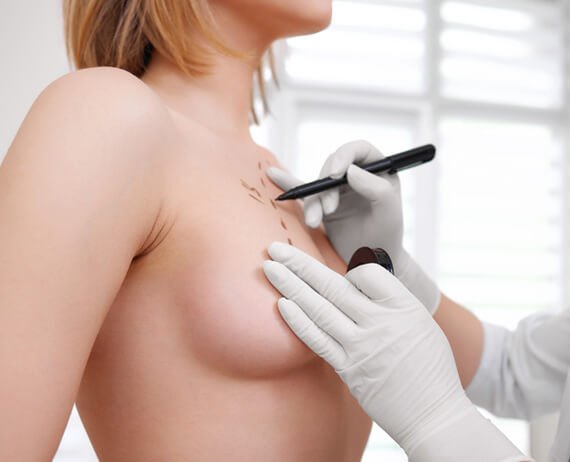
  • Preoperative markings are made on the chest to guide implant placement
  • Necessary medications and pre-surgery preparations are completed

B. In the Operation Theater

1. Anesthesia

  • General anesthesia is administered to ensure you remain comfortable and pain-free

2. Incision

  • A small, discreet incision is made based on the chosen technique:
    • Under the breast fold (inframammary)
    • Around the areola (periareolar)
    • In the underarm (axillary)
  • The approach is selected to minimize visible scarring and suit your anatomy

3. Implant Pocket Creation

  • A space is carefully created to place the implant:
    • Subglandular: Above the muscle, behind breast tissue
    • Subfascial: Under the fascia layer
    • Submuscular: Beneath the chest muscle
    • Dual Plane: Combination placement for a more natural contour

4. Implant Placement

  • The chosen implant is inserted into the pocket and positioned for symmetry and balance

5. Closure

  • Incisions are closed with fine sutures to promote healing and minimize scarring
  • Dressings or a support garment may be applied

C. After Surgery

  • You are monitored in a recovery area until stable
  • Most patients can go home the same day
  • Post-operative instructions are provided for safe recovery

You’ll notice a visible change in breast size and shape immediately after surgery, but the final results develop gradually as your body heals.


What to Expect After Surgery

  • Immediately: Breasts appear fuller right away, though they may sit higher on the chest and feel firm
  • First Few Weeks (2–4 Weeks): Implants begin to settle into a more natural position, and the shape softens
  • Support Garments: Wearing a support bra helps guide healing and maintain proper shape
  • Incision Healing: Scars fade gradually over time with proper care and prescribed treatments

Long-Term Results & Implant Longevity

  • Breast implants are long-lasting but not permanent and may need replacement in the future
  • Regular check-ups are recommended to monitor implant condition
  • Natural changes like aging, weight fluctuations, and hormonal shifts can affect breast appearance over time
  • Some patients may consider revision surgery or a breast lift later to maintain results

Proper post-operative care is essential to ensure smooth healing, reduce complications, and achieve the best possible results after breast augmentation.


1. Medications

  • Take all prescribed medicines as directed
  • Helps control pain and prevent infection

2. Diet

  • Start with liquids on the day of surgery, then move to soft and regular foods
  • Focus on nutritious meals, especially protein-rich foods, to support healing
  • Maintain a stable, healthy weight for optimal results

3. Positioning

  • Keep your upper body elevated at about 45° to reduce swelling
  • Move your legs regularly to improve circulation and prevent clots

4. Physical Activity

  • Light walking can begin the same day
  • Return to office work in 2–3 days
  • Light cardio after 7–10 days
  • Resume gym or heavy activity after about 2 weeks (as advised)

5. Recovery Experience

  • Mild pain, swelling, bruising, or numbness is normal initially
  • Symptoms gradually improve over time with proper care

6. Wound Care

  • Dressings help reduce swelling and bruising
  • Minor discharge may occur for 1–2 days
  • Seek medical advice if you notice unusual bleeding, pain, or prolonged swelling

7. Compression Garments

  • Wear support garments as instructed (often full-time for the first few weeks)
  • Helps maintain shape and reduce swelling

8. Bathing

  • Shower once discharge stops; avoid soaking in bathtubs
  • Keep incision areas clean, dry, and protected

9. Results Timeline

  • Initial swelling may mask results
  • Noticeable improvement begins around 1 month
  • Final contour and skin adaptation continue over 6–8 months

10. Follow-Up Visits

  • Scheduled visits at Day 3, Day 7, Day 15, and 1 month
  • Long-term follow-ups at 3 and 6 months

Breast augmentation is generally safe, especially when performed by an experienced surgeon in a certified facility. However, like any surgery, it carries some potential risks.


What Helps Reduce Risks

  • Choosing a qualified, experienced surgeon
  • Having the procedure done in an accredited surgical center
  • Following all pre- and post-operative instructions carefully

Surgery-Related Risks

  • Bleeding: Very uncommon with modern techniques
  • Infection: May require treatment or, in rare cases, temporary implant removal
  • Seroma: Fluid accumulation that often resolves on its own or may need drainage
  • Contour Irregularities: Rippling or asymmetry, especially in thinner patients
  • Changes in Sensation: Temporary numbness is common; permanent changes are rare

Long-Term Complications

  • Capsular Contracture: Scar tissue tightening around the implant, which may require correction
  • Implant Rupture or Leakage: Rare with modern implants but may need replacement if it occurs
  • BIA-ALCL: A very rare and treatable condition associated mainly with certain textured implants

Anesthesia-Related Risks

  • Mild issues like nausea or dizziness
  • Rare reactions depending on individual health

Recovery after breast augmentation is usually smooth, with most patients returning to normal routines within a few weeks. Full healing and final results continue to improve over time.


Immediate Post-Surgery Care

  • Breasts are covered with dressings and a compression bandage
  • A support bra is provided to reduce swelling and support healing
  • Most patients are discharged within a few hours after monitoring

Medications and Follow-Up

  • Painkillers and antibiotics help manage discomfort and prevent infection
  • Regular follow-up visits ensure proper healing and address any concerns

Support Garments

  • A surgical bra or elastic band should be worn continuously for the first few weeks
  • Helps maintain shape and minimize swelling

Incision and Wound Care

  • Keep incision areas clean and dry
  • Apply prescribed ointments as directed

Swelling & Pain Management

  • Swelling is most noticeable in the first week and gradually reduces
  • Pain typically improves within 5–6 days with medication

Resuming Activities

  • Light activities can begin within a few days
  • Most daily routines resume within 2–3 weeks
  • Avoid heavy lifting, gym workouts, or upper body strain for 4–6 weeks

Synonyms for Breast Augmentation:

Breast Augmentation surgery is commonly referred to by several medical and cosmetic terms depending on the technique used or treatment approach. These include Breast Enlargement Surgery, Breast Enhancement Procedure, Boob Job, Breast Implant Surgery, Augmentation Mammoplasty, Cosmetic Breast Enhancement, Breast Volume Enhancement, Breast Reshaping Surgery, Breast Size Increase Procedure, Implant-Based Breast Surgery, Silicone Breast Implants, Saline Breast Implants, Natural Breast Enhancement Surgery, Aesthetic Breast Surgery, Breast Contouring Procedure, Bust Enhancement Treatment, Breast Reconstruction and Augmentation, Breast Lift with Implants, Fat Transfer Breast Augmentation, Autologous Fat Grafting Breast Enhancement, Minimally Invasive Breast Augmentation, Surgical Breast Enhancement, Cosmetic Bust Enhancement, and Breast Enhancement Treatment.