Breast Reduction
Restore Comfort, Balance & Natural Proportion
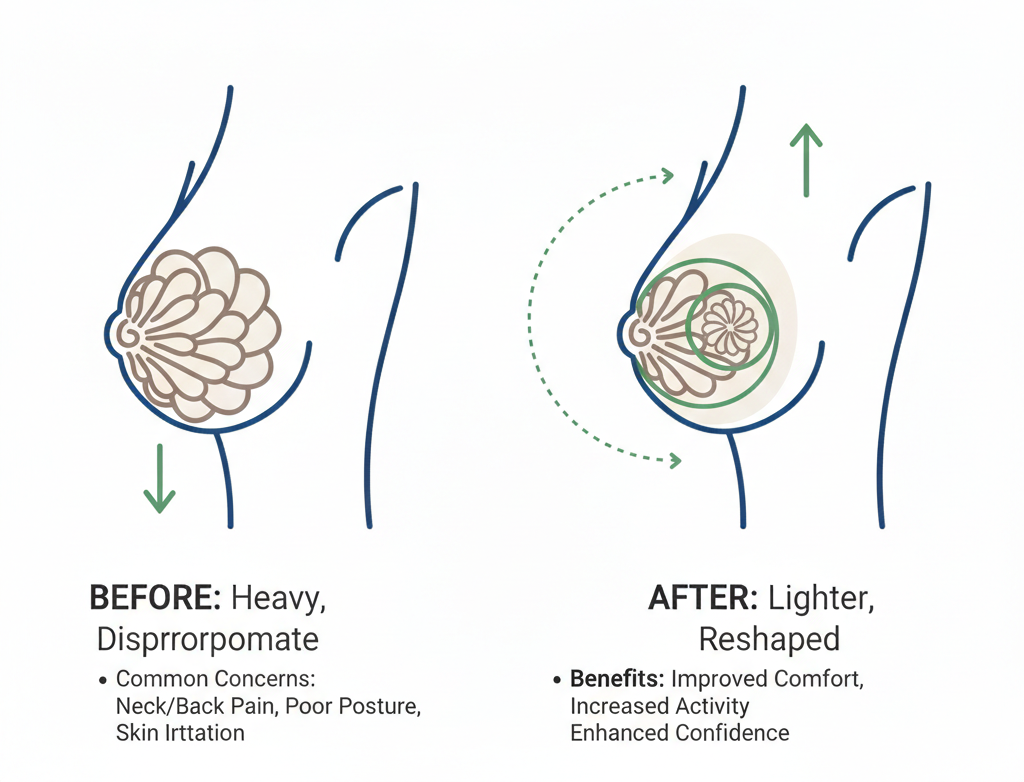
Excessively large breasts can lead to physical strain, restricted movement, and reduced day-to-day comfort. Breast Reduction surgery focuses on removing extra tissue and reshaping the breasts to achieve a lighter feel, improved symmetry, and a naturally proportional silhouette.
By combining precision surgical techniques with aesthetic contouring, the procedure enhances comfort, posture, and mobility while delivering a balanced, uplifted, and feminine appearance.
Key Highlights
- Reduces excessive breast size and weight
- Improves breast shape and overall symmetry
- Enhances body balance and posture
- Relieves physical discomfort and daily strain
- Achieves natural-looking, long-lasting results

Procedure Options
Silicone Breast Implants
Provides soft, natural-feeling fullness with realistic shape and long-lasting results.
Saline Breast Implants
Offers adjustable volume with improved firmness and balanced breast shape.
Breast Fat Transfer
Uses your own body fat to enhance breast volume naturally and subtly.
Revision Procedure
Corrects size, shape, or implant-related concerns from previous surgeries.



TREATMENTS
Advanced Breast Augmentation & Enhancement Treatments
Pregnancy, weight changes, aging, or genetics can lead to loss of breast volume or asymmetry. While non-surgical treatments offer limited improvement, breast augmentation provides predictable and long-term enhancement.
At ZeroSize®, Breast Augmentation combines precise surgical planning with aesthetic expertise to create beautifully contoured, natural-looking breasts that complement your overall body proportions.
Treatment Focus Areas
- Breast volume enhancement
- Shape and projection improvement
- Breast symmetry correction
- Correction of breast asymmetry
- Overall body proportion balance


Clients
Happy Patients
Cosmetic Procedures Offered
TREATMENT
Anti Aging Treatment
SERVICES
Our Special Services




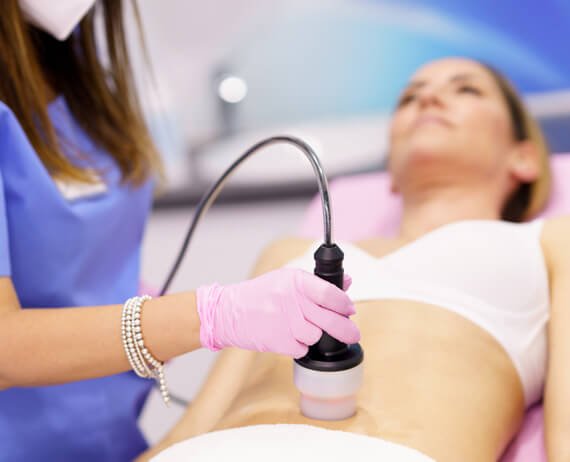



Benefits of Tummy Tuck (Abdominoplasty)
Breast Augmentation is more than a cosmetic enhancement—it is a transformative procedure that improves breast volume, shape, and overall body balance while boosting confidence and self-image. By enhancing feminine proportions, it helps many individuals feel more comfortable and confident in their appearance.
This procedure offers long-lasting, natural-looking results when performed with the right technique and implant selection, tailored to each individual’s body frame and aesthetic goals.
Breast Augmentation helps to:
- Enhance breast size, volume, and fullness
- Improve breast shape, symmetry, and projection
- Restore lost volume after pregnancy or weight loss
- Improve confidence in clothing and swimwear
- Create balanced and harmonious body proportions
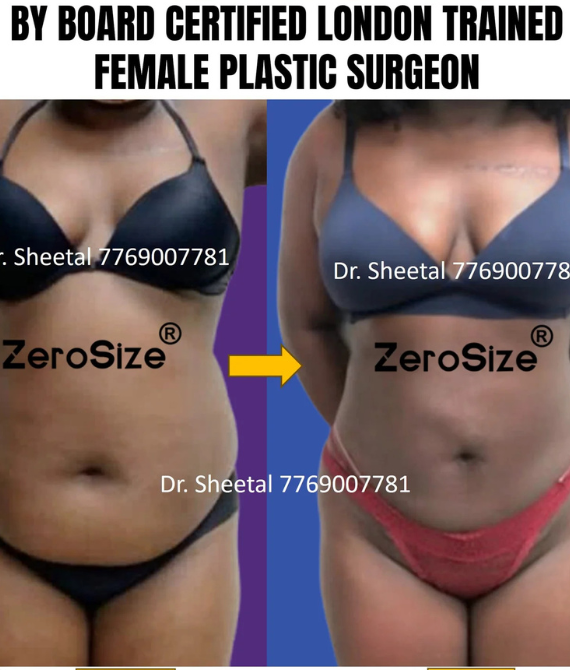
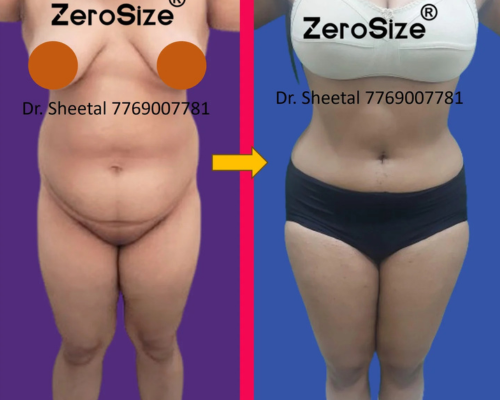
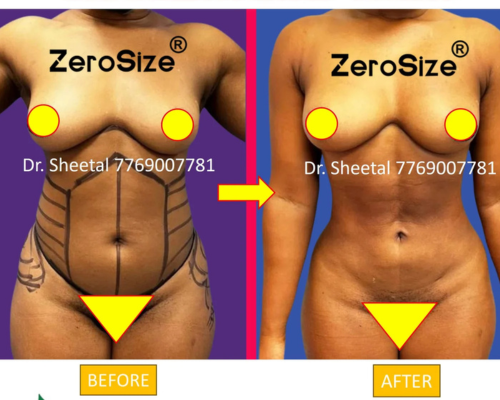
Experience World-Class Cosmetic Treatment Led by a Board-Certified Plastic & Reconstructive Surgeon
With advanced surgical skill, international training, and a patient-centred approach, we provide results that are safe, natural, and beautifully tailored to your needs.
Frequently Asked Question
What Are the Different Types and Techniques of Breast Reduction Surgery?
Breast reduction techniques are selected based on breast size, degree of sagging, skin quality, and how much reshaping is needed. Each method is designed to reduce volume while improving shape and symmetry.
Common Breast Reduction Techniques
Circumareolar (Donut) Reduction
- Incision made around the areola
- Suitable for mild reduction with minimal excess skin
- Leaves a less noticeable scar
Circumvertical (Lollipop) Reduction
- Incision around the areola plus a vertical line to the breast fold
- Ideal for moderate reduction
- Provides better shaping and lifting
Wise-Pattern (Anchor / Inverted-T) Reduction
- Includes circular, vertical, and horizontal incisions
- Best for large breasts with significant sagging
- Allows maximum reshaping and skin removal
Liposuction-Assisted Reduction
- Uses liposuction to remove fatty tissue with smaller incisions
- Suitable for cases with more fat and good skin elasticity
- Minimal scarring and faster recovery
How the Technique Is Chosen
The surgeon evaluates:
- Breast size and degree of drooping
- Nipple and areola position
- Skin quality and elasticity
- Symmetry and body proportions
The goal is not just reducing size, but also creating a balanced, lifted, and natural-looking breast shape.
What Happens After Breast Reduction Surgery?
- Dressings Applied: Incisions are covered to protect the area during early healing
- Support Bra: Worn to reduce swelling and maintain shape
- Drains (if needed): Temporary drains may be placed to remove excess fluid
- Aftercare Instructions: Essential for proper healing, scar management, and optimal results
What Is Keyhole Breast Reduction Surgery?
Keyhole breast reduction is a minimally invasive technique that reduces breast volume using liposuction through a small, discreet incision. Instead of traditional large cuts and tissue removal, it focuses on removing excess fatty tissue to make the breasts lighter and more proportionate.
- Uses advanced liposuction (often ultrasonic) to break down and remove fat
- Performed through a small, hidden incision (“keyhole”)
- Designed mainly for reducing volume, not significant lifting or reshaping
- Usually a daycare procedure with quicker recovery and less discomfort
Who Is the Right Candidate?
You may be a suitable candidate if:
- You have large, heavy breasts mainly due to fat volume
- Your skin has good elasticity to adapt after fat removal
- You have mild to moderate sagging, not severe drooping
- You prefer minimal scarring and a less invasive approach
- You want a natural-looking reduction rather than major reshaping
What Are the Benefits?
- Minimal Visible Scarring: Small, discreet incision compared to traditional methods
- Less Invasive: No long cuts or extensive stitching
- Reduced Heaviness: Breasts feel lighter and more comfortable
- Faster Recovery: Shorter downtime and quicker return to daily activities
- Daycare Procedure: Often no need for overnight hospital stay
- Natural Contour: Good results in patients with proper skin quality
Why Is Consultation Important Before Breast Reduction Surgery?
A consultation is a crucial first step before breast reduction. It ensures the procedure is suitable for you, helps plan the safest approach, and sets clear, realistic expectations.
Key Reasons for Consultation
- Confirms Candidacy:
Your surgeon evaluates breast size, symptoms, skin quality, overall health, and goals to determine if surgery is appropriate - Personalized Surgical Plan:
The right technique is selected based on your anatomy and desired outcome - Enhances Safety:
Medical history, medications, allergies, and lifestyle factors are reviewed to minimize risks - Sets Realistic Expectations:
You’ll understand achievable results, expected scars, and how much reduction is possible - Detailed Breast Assessment:
Includes evaluation of size, shape, symmetry, nipple position, and degree of sagging - Clear Discussion on Recovery:
Learn about healing time, activity restrictions, support garments, and follow-up care - Opportunity to Ask Questions:
Discuss concerns about pain, recovery, scars, costs, and long-term results
How Is Breast Reduction Surgery Performed Step by Step?
Breast reduction surgery is a structured procedure designed to remove excess tissue, reshape the breasts, and create a lighter, more balanced appearance.
Step 1: Anesthesia
- Performed under general anesthesia
- Ensures you remain comfortable and pain-free during the surgery
Step 2: Incision Planning
- The incision type depends on breast size, sagging, and amount of reduction needed:
- Around the areola (for smaller reductions)
- Lollipop (for moderate reduction)
- Anchor (for larger breasts and significant lifting)
Step 3: Removal of Excess Tissue
- Extra breast tissue, fat, and skin are removed
- Reduces heaviness while maintaining a natural proportion
Step 4: Internal Reshaping
- The remaining tissue is sculpted to improve contour, firmness, and long-term support
Step 5: Nipple and Areola Repositioning
- The nipple is moved to a more natural, youthful position
- The areola size may be reduced if needed
Step 6: Closure
- Deep sutures support the new shape
- Outer skin is closed with stitches, adhesive, or surgical tape
Step 7: Dressings and Support
- A surgical bra or compression dressing is applied
- Helps reduce swelling and maintain shape during healing
Step 8: Early Recovery
- Initial improvement in size and shape is visible soon after surgery
- Final results continue to improve as swelling gradually subsides
What Should You Do to Prepare for Breast Reduction Surgery?
Proper preparation helps make your surgery safer, reduces complications, and supports a smoother recovery.
1. Complete Medical Tests
- Get all recommended tests such as blood work, ECG, or chest X-ray
- Ensures you are medically fit for surgery
2. Breast Screening (if advised)
- A baseline mammogram may be suggested for proper evaluation and future comparison
3. Stop Smoking
- Avoid smoking at least 2 weeks before surgery
- Improves blood flow and promotes better healing
4. Avoid Blood-Thinning Substances
- Stay away from aspirin, certain painkillers, and herbal supplements (only as advised)
- Helps reduce bleeding risk during surgery
5. Follow Pre-Operative Instructions
- Follow guidance on eating, drinking, medications, and hygiene
- Arrive on time and follow all instructions carefully
6. Arrange Support
- Have someone accompany you on surgery day
- Plan help at home for the first 24–48 hours
7. Wear Comfortable Clothing
- Choose loose, front-open clothes for easy dressing after surgery
- Avoid unnecessary arm movement
8. Prepare Your Recovery Space
- Keep essentials like medications, water, pillows, and light food nearby
- Create a comfortable and stress-free environment
What Post-Operative Care Should You Follow After Breast Reduction Surgery?
Proper care after breast reduction is essential for smooth healing, better scar outcomes, and maintaining your new breast shape.
Key Post-Operative Guidelines
- Wear a Support Bra:
Use your surgical or compression bra as advised to reduce swelling and support healing - Sleep Position:
Rest on your back with your upper body slightly elevated to improve comfort and reduce swelling - Take Medications on Time:
Follow your prescription for pain relief and infection prevention exactly as directed - Cold Compress (if advised):
May help reduce swelling and discomfort, but only use if recommended by your surgeon - Avoid Strain and Heavy Lifting:
Limit arm movement and avoid strenuous activities until cleared by your doctor - Wound Care:
Keep incision areas clean and dry to prevent infection and promote better scar healing - Avoid Early Use of Underwire Bras:
Switch to underwire bras only when your surgeon confirms it is safe - Attend Follow-Up Visits:
Regular check-ups help monitor healing and manage any concerns - Gradual Return to Activities:
Light work may resume within about a week, while full activity is typically allowed after 4–6 weeks
How Long Does It Take to See Results After Breast Reduction Surgery?
You’ll notice a difference in size and weight immediately after surgery, but the final shape develops gradually as swelling goes down and tissues heal.
What to Expect
- Immediately After Surgery:
Breasts appear smaller and lighter right away, though swelling may affect the early appearance - Early Relief:
Many patients experience quick relief from neck, shoulder, and back discomfort - First Few Weeks:
Swelling gradually reduces, and the breasts begin to look more natural and balanced - Ongoing Improvement:
Shape, softness, and position continue to refine as healing progresses - Final Results (8–12 Weeks):
Most patients see a stable, well-defined outcome within 2 to 3 months - Scar Healing:
Incision lines fade slowly over several months with proper care
Long-Term Outlook
- Results are long-lasting with a stable weight and healthy lifestyle
- Natural factors like aging, gravity, and hormonal changes can still influence breast shape over time
What Should You Expect During Breast Reduction Surgery Recovery?
Recovery after breast reduction typically takes 4 to 6 weeks, with most people getting back to light daily activities within 7 to 10 days. Healing happens gradually, and following your surgeon’s advice makes a big difference.
Early Recovery Phase
- Dressings & Support Bra:
Your breasts will be covered with bandages, and you’ll wear a surgical bra to reduce swelling and support healing - Pain & Swelling:
Mild to moderate discomfort, tightness, and swelling are normal in the first few days and are managed with medication - Bruising & Sensitivity:
You may feel soreness, heaviness, numbness, or sensitivity for a few weeks
Activity & Lifestyle
- Movement Restrictions:
Avoid heavy lifting, pushing, pulling, and intense upper-body movement - Driving:
Resume only when you are comfortable, off strong medications, and able to move freely - Return to Work:
Light work is usually possible within 7–10 days, depending on your recovery
Wound Care & Follow-Ups
- Incision Care:
Keep the area clean and dry to reduce infection risk and support scar healing - Follow-Up Visits:
Regular check-ups help monitor healing, swelling, and final shape
Full Recovery Timeline
- 2–3 Weeks: Noticeable improvement in swelling and comfort
- 4–6 Weeks: Most daily activities resume normally
- Beyond: Final shape continues to settle over time
Common Recovery Questions
- Stitches: Some dissolve on their own, others may be removed during follow-ups
- Compression Bra: Usually worn for 4–6 weeks for proper support
- Exercise: Restart only after your surgeon gives clearance
- Follow-Ups: Essential during the first few weeks to track healing
What Are the Risks and Possible Complications of Breast Reduction Surgery?
Breast reduction is generally a safe procedure, especially in experienced hands. However, like any surgery, it comes with some potential risks that you should be aware of.
Common and Temporary Effects
- Swelling and Bruising: Normal in the early days after surgery
- Mild Pain or Discomfort: Usually well-controlled with medication
Possible Surgical Risks
- Anesthesia-Related Risks:
Rare complications related to general anesthesia, assessed beforehand by your medical team - Bleeding:
Minor bleeding is common, but excessive bleeding is rare and may need medical attention - Infection:
Can occur if wound care is not followed properly; managed with antibiotics - Delayed Healing:
Healing may take longer in smokers or patients with certain medical conditions - Scarring:
Scars are expected but typically fade over time and are placed as discreetly as possible - Changes in Sensation:
Temporary numbness or sensitivity changes are common; rarely long-lasting - Fluid Collection (Seroma):
Build-up of fluid may occur and sometimes needs drainage - Asymmetry or Contour Differences:
Minor variations can happen since each side heals differently - Firmness or Internal Scar Tissue:
Temporary firmness may be felt as tissues settle
Rare but Serious Risks
- Blood Clots (DVT):
Uncommon but serious; preventive measures are taken during and after surgery
How Risks Are Minimized
- Choosing an experienced, qualified surgeon
- Following all pre- and post-operative instructions
- Attending regular follow-up appointments
Will There Be Scars After Breast Reduction Surgery?
Yes, breast reduction surgery does result in scars, but they are carefully placed and usually fade significantly over time.
What You Should Know About Scars
- Scarring Is Normal:
Incisions are necessary to remove excess tissue and reshape the breasts, so some scarring is expected - Depends on the Technique:
The scar pattern varies based on the method used—circular, lollipop, or anchor - Strategic Placement:
Scars are typically positioned around the areola and along natural breast folds to keep them less noticeable
How Scars Heal Over Time
- Early Stage:
Scars may appear red, pink, slightly raised, or firm - Healing Phase:
They gradually soften, flatten, and lighten over 6 to 12 months - Long-Term Appearance:
While scars don’t disappear completely, they usually become much less visible
Improving Scar Healing
- Use silicone gels or scar creams if recommended
- Follow proper wound care and hygiene
- Protect scars from sun exposure
- Consider treatments like laser therapy if needed
How Long Do the Results of Breast Reduction Surgery Last?
Breast reduction results are typically long-lasting. Many patients enjoy the benefits for 10 to 15 years or more, especially with a stable weight and healthy habits.
What to Expect Long-Term
- Durable Results:
The reduction in size and improved shape usually remain stable for many years - Relief from Discomfort:
Neck, shoulder, and back pain often improve quickly and stay better long-term - Improved Shape & Balance:
Breasts maintain a lighter, more proportionate contour over time
Factors That Can Affect Results
- Weight Changes:
Significant gain or loss can alter breast size and shape - Pregnancy & Breastfeeding:
Hormonal changes may impact the surgical outcome - Aging & Gravity:
Natural skin laxity and tissue changes continue over time
How to Maintain Your Results
- Keep your weight stable
- Wear supportive bras, especially during physical activity
- Follow a healthy lifestyle with regular exercise
Synonyms for Breast Reduction (Reduction Mammoplasty):
Breast reduction surgery is commonly referred to by several medical and cosmetic terms depending on the technique used or treatment approach. These include Reduction Mammoplasty, Breast Size Reduction Surgery, Breast Reshaping Surgery, Breast Volume Reduction, Cosmetic Breast Reduction, Surgical Breast Reduction, Breast Tissue Removal Procedure, Macromastia Treatment Surgery, Breast Contouring Procedure, Breast Lift with Reduction, Therapeutic Breast Reduction, Breast Downsizing Surgery, Mammary Reduction Procedure, Breast Remodeling Surgery, Excess Breast Tissue Removal, Breast Slimming Surgery, Chest Contouring Surgery (Female), Breast Rebalancing Procedure, Functional Breast Reduction, and Aesthetic Breast Reduction Surgery.