Face Lift Surgery

Restore Youthful Contours & Natural Facial Definition

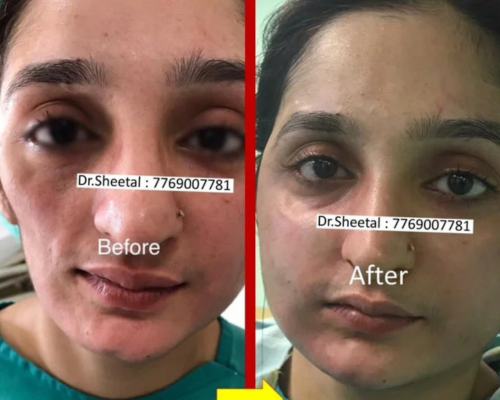
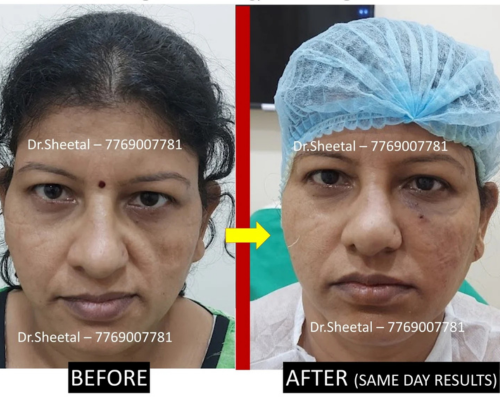
Aging, gravity, and lifestyle factors can lead to sagging skin, deep wrinkles, and loss of facial definition. Face Lift surgery is an advanced cosmetic procedure designed to lift and tighten facial tissues, smooth wrinkles, and restore a refreshed, youthful appearance while maintaining natural expressions.

This procedure targets loose skin and underlying facial structures to improve firmness, redefine contours, and reduce visible signs of aging for long-lasting, natural-looking results.

Procedure Options

Full Face Lift

Comprehensive lifting to address sagging skin, deep wrinkles, and facial aging.

Mid Face Lift

Targeted lifting to restore volume and firmness in the cheek and mid-face area.

Jawline Lift

Precision contouring to define the jawline and reduce jowls smooth look.

Neck Lift

Focused tightening to smooth loose neck skin and improve profile balance.

Untitled design (37)Untitled design (38)
TREATMENTS

Advanced Face Lift & Facial Rejuvenation Treatments

As facial aging progresses, skin elasticity decreases and facial tissues descend, leading to tired or aged appearances. Non-surgical treatments may offer temporary improvement, but advanced cases often require surgical correction.

At ZeroSize®, Face Lift surgery combines refined surgical techniques with artistic precision to rejuvenate the face while preserving natural facial expressions. The result is a refreshed, youthful look with balanced and harmonious facial contours.

0 +

Clients

0 k+

Happy Patients

0 +

Cosmetic Procedures Offered

TREATMENT

Anti Aging Treatment

SERVICES

Our Special Services

Benefits of Face Lift Surgery

Face Lift surgery not only tightens loose skin but also repositions underlying tissues to restore youthful facial structure. Modern techniques ensure minimal scarring, faster recovery, and natural outcomes.

This procedure is ideal for individuals who:

Speak to Our Friendly &
Knowledgeable Adviser:

Experience World-Class Cosmetic Treatment Led by a Board-Certified Plastic & Reconstructive Surgeon

With advanced surgical skill, international training, and a patient-centred approach, we provide results that are safe, natural, and beautifully tailored to your needs.

Frequently Asked Question

Which Facial Features Can a Facelift Surgery Rejuvenate?

Facelift surgery is designed to refresh and restore a more youthful facial appearance by addressing common signs of aging across multiple areas of the face and neck.

  • Reduces Wrinkles: Smooths out fine lines and deeper facial folds
  • Tear Trough Improvement: Softens under-eye hollowness for a refreshed look
  • Restores Cheek Volume: Enhances mid-face fullness and contour
  • Improves Nasolabial Folds: Reduces deep lines between the nose and mouth
  • Lifts Mouth Corners: Helps create a more pleasant, natural expression
  • Defines Jawline: Tightens sagging skin and reduces jowls
  • Refines Neck Profile: Improves neck contour for a sharper, more youthful angle

You may be a suitable candidate for a facelift if you’re experiencing visible signs of aging and are looking for long-lasting, more noticeable results.

  • Visible Signs of Aging: Sagging skin, deep wrinkles, jowls, or loss of facial volume
  • Not Satisfied with Non-Surgical Options: Seeking a more permanent solution beyond fillers or threads
  • Desire Long-Lasting Results: Looking for a comprehensive facial rejuvenation
  • Good Overall Health: Medically fit to undergo surgery and recovery
  • Realistic Expectations: Understand what the procedure can achieve
  • Prepared for Recovery: Willing to follow post-operative care and allow time for healing

A facelift consultation is a detailed and personalized session designed to evaluate your facial features, overall health, and goals to plan a safe and natural-looking outcome.

Assessment During Consultation:

  • Skin Evaluation: Checks thickness, texture, and elasticity to understand how your skin will respond
  • Wrinkle Analysis: Examines the depth and severity of lines and folds
  • Bone Structure Review: Assesses facial framework and underlying support
  • Facial Volume Check: Identifies areas where volume loss has occurred
  • Hairline Assessment: Plans incision placement for minimal visible scarring
  • Health & Fitness Check: Ensures you are medically fit for surgery and recovery

Discussion Points:

  • The most suitable facelift technique based on your needs
  • Possibility of combining procedures for enhanced results
  • Detailed surgical plan, duration, and recovery timeline
  • Expected outcomes and realistic results

Facelift surgery includes a variety of approaches tailored to your age, skin condition, and desired outcome. These techniques focus on both incision placement and how the underlying tissues are repositioned.


A. Skin Incision Types

Standard Facelift Incision
Extends along the hairline, around the ears, and into the back of the scalp. Best for full-face and neck rejuvenation.

Short Incision Facelift
Uses smaller incisions near the ears. Suitable for younger patients with mild to moderate skin laxity.

Lower Facelift Incision
Begins below the ear and extends behind it, focusing on the jawline and lower face.


B. Tissue Repositioning Techniques

Subcutaneous Facelift
Targets only the skin and fat layers. It is less invasive but results may not last as long.

SMAS Facelift (Standard Technique)
Repositions deeper facial layers (SMAS) for more natural and longer-lasting results, especially in the mid-face and neck.

Short Scar Facelift
Minimizes incision length while lifting and tightening facial tissues, often combined with neck correction.

MACS Lift (Minimal Access Cranial Suspension)
Uses a small incision with vertical lifting of facial tissues. Variations can address cheeks, lower eyelids, and jawline.

Endoscopic Facelift
A minimally invasive technique using small hidden incisions and a camera, ideal for mid-face correction in younger patients.

Lower Facelift Surgery
Specifically targets sagging in the lower face and jawline for improved contour.


C. Additional (Complementary) Procedures

  • Facial Implants or Fat Transfer: Enhance volume and contour
  • Skin Resurfacing Treatments: Improve skin texture and tone
  • Injectable Fillers: Help reduce wrinkles and restore lost volume

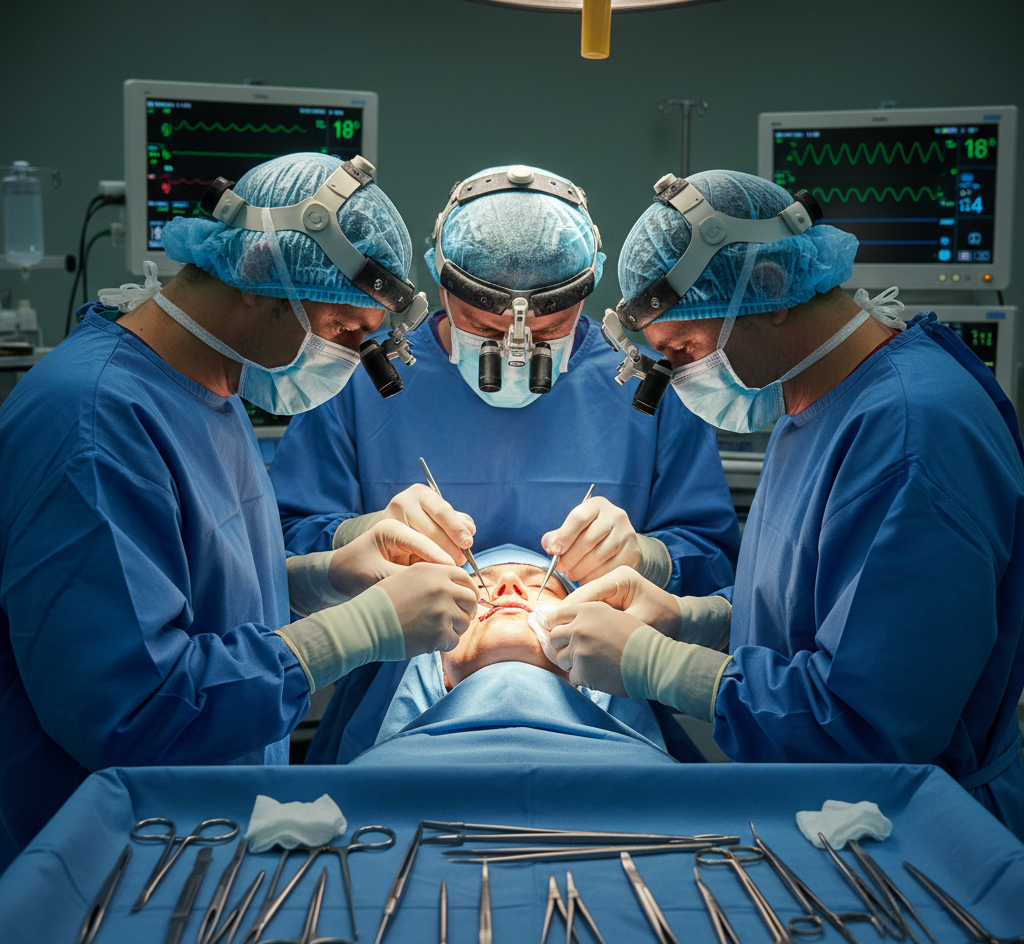
Facelift surgery is performed through a series of carefully planned steps to create a smoother, firmer, and more youthful facial appearance.

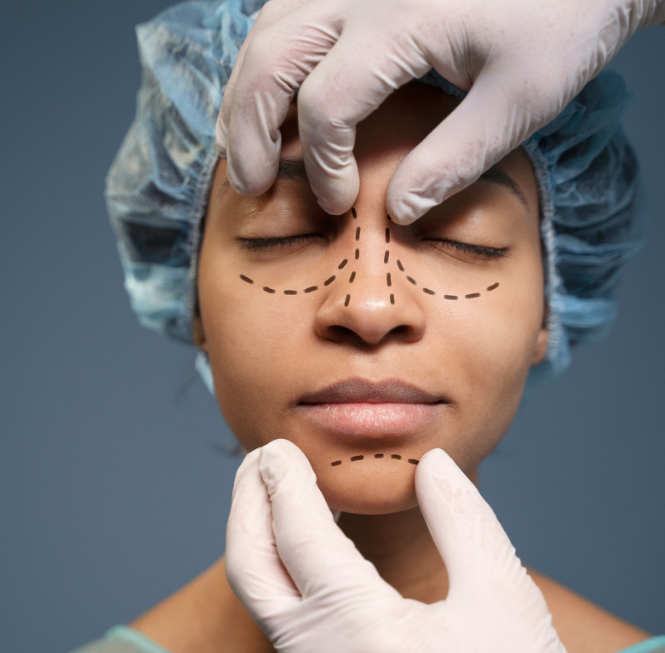
  • Assessment and Marking: The surgeon examines the face and marks the treatment areas for accuracy.
  • Anesthesia: Intravenous sedation or general anesthesia is given to keep you comfortable during the procedure.
  • Infiltration: A special solution is injected to reduce bleeding and improve surgical precision.
  • Incisions: Small incisions are placed along the hairline and around the ears so scars remain less noticeable.
  • Tissue Repositioning: The deeper facial tissues are lifted and adjusted to restore natural contours and reduce sagging.
  • Closure: The incisions are closed with fine stitches to support healing and minimize visible scarring.
  • Post-Surgery Care: Dressings or pressure support may be applied, and recovery instructions are provided for safe healing.

Facelift surgery is generally not very painful. Most patients describe the sensation as mild discomfort, tightness, or a feeling of heaviness rather than sharp pain.

  • Pain Level: You may feel tightness or slight discomfort in the face and neck for a few days
  • Pain Control: Prescribed pain medications and cold compresses help keep discomfort well-managed
  • Duration: Most of the discomfort usually improves within 7–10 days

Facelift surgery helps restore a more youthful and refreshed appearance. As swelling gradually subsides, the results become more refined and natural-looking.

  • Younger Appearance: Smoother skin, improved contours, and a rejuvenated overall look
  • Natural Results: Enhances your features without appearing artificial or overdone
  • Long-Lasting Effects: Results can last around 8–10 years, depending on lifestyle and skin quality
  • Boost in Confidence: Many patients feel more confident and satisfied with their appearance

Facelift surgery is generally safe when performed by an experienced surgeon, but like any surgical procedure, it carries some potential risks.

  • Bleeding or Hematoma: Uncommon, but may occur shortly after surgery
  • Infection: Rare and usually controlled with proper care and antibiotics
  • Scarring: Typically minimal and well-hidden along natural hairlines and contours
  • Skin Irregularities: Rare and often correctable if they occur
  • Facial Nerve Injury: Extremely uncommon, especially in skilled hands
  • Skin Healing Issues: Very rare when proper surgical techniques and aftercare are followed

Recovery after a facelift usually takes a few weeks for daily activities, while final results continue to improve over a few months.

  • Immediate Care: Bandages are applied to reduce swelling, and you’ll receive detailed post-operative instructions
  • Swelling & Bruising: Most swelling and bruising improve within 2–3 weeks
  • Follow-Up Visits: Regular checkups help monitor healing and remove stitches if needed
  • Activity Restrictions: Strenuous activities and heavy exercise should be avoided for about 3–4 weeks
  • Final Results: A more natural, youthful appearance becomes fully visible over the next few months as healing completes

Synonyms for Face Lift Surgery:

Face lift surgery is commonly referred to by several medical and cosmetic terms depending on the technique used or treatment approach. These include Rhytidectomy, Facial Rejuvenation Surgery, Anti-Aging Facial Surgery, Facial Tightening Surgery, Cosmetic Face Lift, Skin Tightening Surgery (Face), Facial Contouring Surgery, Wrinkle Removal Surgery, Youth Restoration Surgery (Face), Surgical Facial Rejuvenation, Full Face Lift Procedure, Mini Face Lift Surgery, SMAS Face Lift, Deep Plane Face Lift, Neck and Face Lift Surgery, Facial Firming Surgery, Aesthetic Face Lift Procedure, Facial Remodeling Surgery, Age Reversal Surgery (Face), and Advanced Facial Rejuvenation Surgery.