Facial Fat Grafting (Facial Fat Transfer)
Restore Facial Volume & Achieve Natural Rejuvenation
Loss of facial volume is a common sign of aging and can make the face appear tired, hollow, or aged. Factors such as aging, weight loss, genetics, and lifestyle can lead to sunken cheeks, under-eye hollows, and deep facial folds.
Facial Fat Grafting, also known as Facial Fat Transfer, is a natural rejuvenation procedure that restores lost facial volume using your own body fat.
This procedure enhances facial contours, improves skin quality, and delivers long-lasting, natural-looking rejuvenation without synthetic fillers.
Key Highlights
- Uses your own body fat for facial rejuvenation
- Restores youthful facial volume and contours
- Improves skin texture and quality
- No foreign materials or implants
- Natural-looking and long-lasting results

Procedure Options
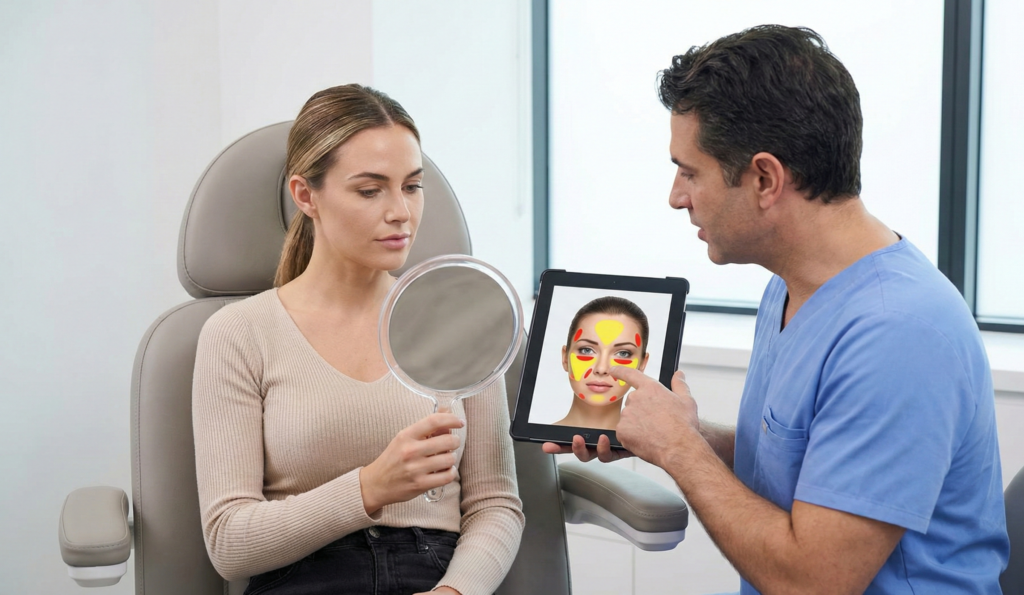
Full Face Fat Grafting
Restores volume across multiple facial areas for complete facial rejuvenation.
Cheek & Mid-Face Volume Restoration
Enhances cheek fullness and lifts the mid-face for a youthful appearance.
Under-Eye Hollow Correction
Reduces tired-looking eyes by filling under-eye hollows and tear troughs.
Nasolabial & Facial Fold Correction
Softens deep smile lines and facial creases for smoother contours.

TREATMENTS
Advanced Facial Fat Grafting & Rejuvenation Treatments
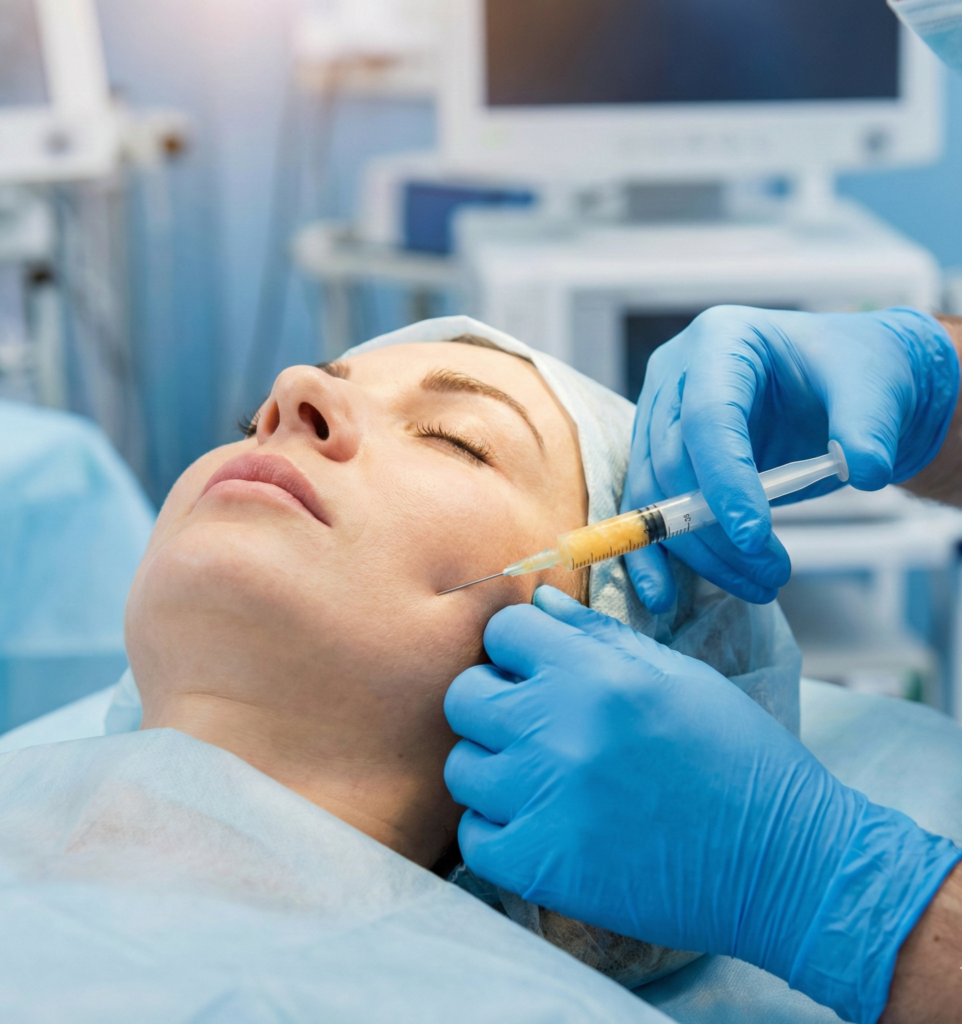
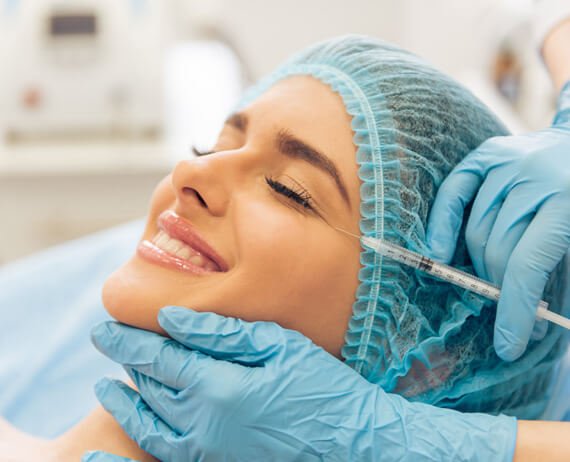
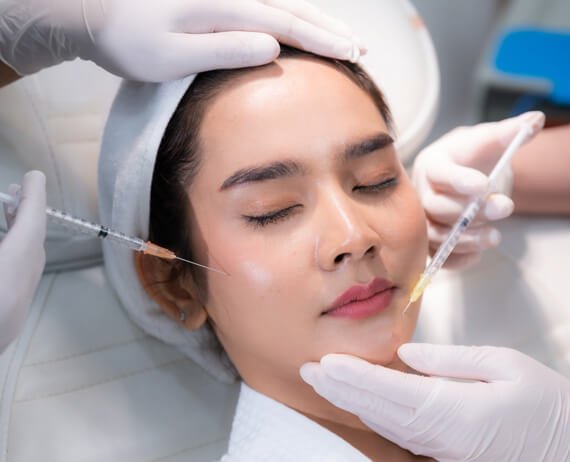
Facial fat grafting involves gently harvesting fat from areas such as the abdomen or thighs, purifying it, and carefully injecting it into targeted facial areas. The transferred fat integrates naturally with facial tissues, providing soft, natural volume and improved skin quality.
At ZeroSize®, facial fat grafting is performed using advanced techniques that ensure maximum fat survival, smooth contouring, and harmonious facial balance.
Treatment Focus Areas
- Cheeks and mid-face
- Under-eye hollows
- Temples and forehead
- Nasolabial folds
- Jawline and facial contours

Clients
Happy Patients
Cosmetic Procedures Offered
TREATMENT
Anti Aging Treatment
SERVICES
Our Special Services




Benefits of Facial Fat Grafting
Facial Fat Grafting is more than a volume enhancement procedure—it is a comprehensive facial rejuvenation treatment that improves appearance, skin quality, and facial harmony in a natural and long-lasting way.
Facial Fat Grafting helps to:
- Restore lost facial volume naturally
- Improve facial symmetry and balance
- Rejuvenate aging facial features
- Enhance skin quality and texture
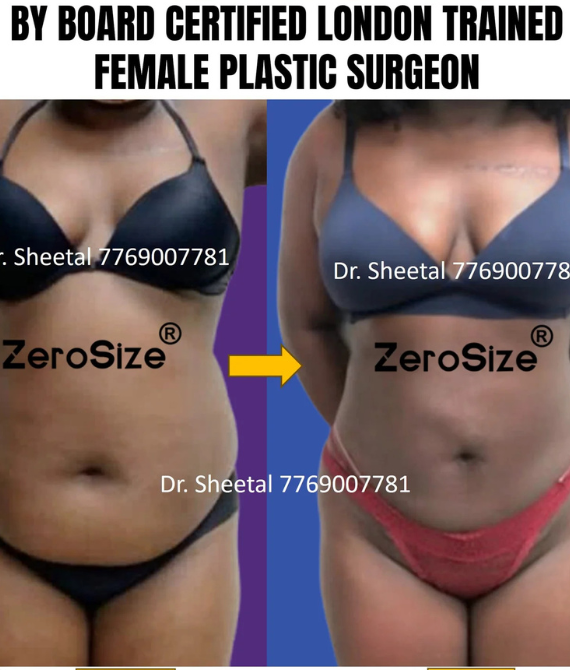
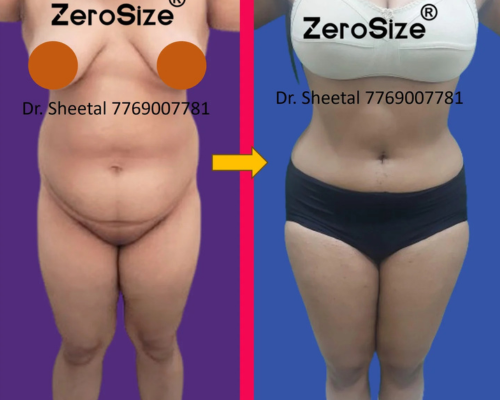
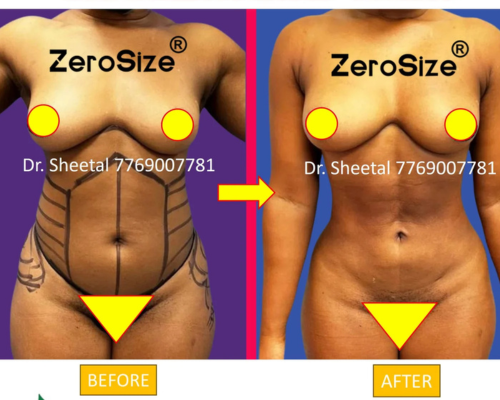
Experience World-Class Cosmetic Treatment Led by a Board-Certified Plastic & Reconstructive Surgeon
With advanced surgical skill, international training, and a patient-centred approach, we provide results that are safe, natural, and beautifully tailored to your needs.
Frequently Asked Question
Which Body Areas Can Be Treated with Fat Grafting/Injections?
Fat grafting is a versatile procedure that uses your own fat to restore volume and improve contours across different areas of the body. The technique used—macro, micro, or nano fat—depends on the treatment area and desired outcome.
Facial Rejuvenation
- Macro Fat Grafting: Adds volume to areas like cheeks, jawline, and temples
- Micro Fat Grafting: Provides smooth, even filling for overall facial softness
- Nano Fat: Helps improve fine lines, skin texture, and pigmentation
Hand Rejuvenation
- Reduces fine wrinkles
- Minimizes visible veins for a more youthful appearance
Breast Enhancement & Reconstruction
- Natural alternative to implants using your own fat
- Helps soften implant edges and correct irregularities
- Improves shape and symmetry after procedures like lumpectomy or reduction
Buttock Enhancement (BBL)
- Enhances volume, shape, and projection
- Improves contour and firmness naturally
4D Body Sculpting
- Combines liposuction with targeted fat transfer
- Enhances muscle definition and athletic contours
Correction of Post-Surgical Deformities
- Fills contour defects from previous surgeries
- Improves overall shape and smoothness for a more natural look
Who Is the Right Candidate for Fat Grafting/Injections?
You may be a suitable candidate for fat grafting if you are in good health, have clear goals, and understand what the procedure can achieve.
- Age Requirement: Generally recommended for individuals above 18 years
- Good Overall Health: No uncontrolled medical conditions that could affect healing
- Clear Goals: You know what areas you want to enhance or correct
- Realistic Expectations: Understand the results may vary and are not always permanent
- Awareness of the Process: Familiar with recovery time, possible risks, and limitations
- Emotional Readiness: Positive mindset and mentally prepared for the procedure
What Are the Limitations of Fat Grafting/Injections?
Fat grafting offers natural-looking enhancement, but it’s important to understand its limitations before undergoing the procedure.
- Primarily Cosmetic: It improves volume and contour but does not correct loose skin or major structural issues
- Partial Fat Survival: Not all transferred fat survives—typically around 50–70% remains long-term
- Need for Touch-Ups: Additional sessions may be required to achieve or maintain desired results
- Variable Longevity: Outcomes depend on factors like technique, treatment area, and individual healing response
Why Is a Consultation Important Before Fat Grafting/Injections?
A pre-procedure consultation is essential to ensure that fat grafting is suitable for you and to plan a safe, personalized treatment with clear expectations.
Key Benefits of a Consultation:
- Suitability Check: Confirms whether fat grafting aligns with your goals and overall health
- Procedure Clarity: Explains the technique, duration, and expected cost
- Realistic Expectations: Helps you understand achievable results for your face or body
- Risk Awareness: Discusses potential risks, recovery time, and limitations
- Care Guidance: Provides pre- and post-procedure instructions for better healing
- Confidence Building: Helps you feel comfortable and informed before making a decision
- Q&A Opportunity: Allows you to ask questions and clear any doubts
What Your Surgeon Will Evaluate
- Areas from which fat can be safely harvested
- Target areas that need volume enhancement
- Amount of fat required and the most suitable grafting technique
Online Consultation Option
- Convenient consultation from home
- Assessment based on shared photographs
- Visualization or simulation of expected results
- Opportunity to discuss and refine your goals before surgery
Which Technology and Techniques Are Used for Fat Harvesting and Injection?
Fat grafting relies on advanced techniques to safely extract, preserve, and re-inject fat for natural-looking results. The method used depends on the treatment area, volume required, and surgeon preference.
Fat Harvesting Techniques
Suction-Assisted Lipectomy (SAL)
Uses a blunt cannula connected to suction to remove fat through small incisions. It is a widely used and reliable method for harvesting fat from deeper layers.
Ultrasound-Assisted Lipectomy (UAL)
Ultrasound energy is used to break down fat cells before removal. Advanced systems like VASER™ allow precise fat extraction with less damage to surrounding tissues.
Power-Assisted Lipectomy (PAL)
A vibrating cannula helps loosen and remove fat more efficiently. Modern electric devices make the process smoother and more controlled.
Laser-Assisted Lipectomy (LAL)
Laser energy is used to liquefy fat cells before extraction. It can also promote mild skin tightening in the treated area.
Water-Assisted Lipectomy (WAL)
A gentle water jet (such as Body-Jet™) is used to dislodge fat cells, reducing trauma and preserving fat quality for better graft survival.
Supporting Equipment
Aspirator Devices
These create controlled suction pressure to safely extract fat and are essential in all fat harvesting procedures.
Injection Technique
Once harvested, the fat is purified and carefully injected into the target area in small amounts and multiple layers. This technique improves fat survival, ensures even distribution, and creates smooth, natural contours.
What Is the Preoperative Preparation for Fat Grafting/Injections?
Proper preparation before fat grafting helps ensure safety, smoother healing, and more predictable results. Your surgeon will guide you through specific steps based on your health and procedure.
1. Medical Assessment
- Provide a detailed medical history and undergo a physical examination
- Complete required lab tests and preoperative fitness evaluations
2. Lifestyle Adjustments
- Stop smoking at least 6 weeks before surgery to support proper healing
- Avoid alcohol for at least 48 hours prior to the procedure
3. Medication Guidelines
- Avoid aspirin, anti-inflammatory drugs, certain vitamins, and herbal supplements for about 2 weeks before surgery
- Take only medications approved or prescribed by your surgeon
4. Pre-Surgery Planning
- Arrange for someone to drive you home after the procedure
- Ensure assistance is available for at least the first 24 hours
- Set up a comfortable recovery area at home with essentials within reach
5. Day Before Surgery
- Follow fasting instructions if anesthesia is planned
- Shower using antibacterial soap to reduce the risk of infection
How Is Fat Grafting/Injections Performed Step by Step?
Fat grafting is a multi-step procedure that uses your own fat to restore volume and improve contours in a natural way.
1. Pre-Operative Preparation
- Stop smoking well in advance to support healing
- Avoid blood-thinning medications and supplements as advised
- Arrange for someone to accompany you and assist after the procedure
2. On Admission
- Pre-procedure photographs may be taken for planning and records
- A medical evaluation is done to ensure safety
- Medications may be given to help you relax before the procedure
3. Anesthesia
- Usually performed under local anesthesia
- General anesthesia may be used if larger or multiple areas are treated
4. Main Stages of Fat Grafting
Harvesting:
Fat is gently removed from donor areas (such as abdomen or thighs) using a small cannula through tiny incisions.
Purification:
The extracted fat is processed using techniques like filtration or centrifugation to isolate healthy fat cells. It may be prepared as macro, micro, or nano fat depending on the treatment area.
Injection (Placement):
The purified fat is carefully injected into the target area using fine cannulas. It is placed in small, layered amounts to ensure smooth, natural-looking results and better fat survival.
5. Recovery and Discharge
- Usually performed as a day-care procedure
- You are monitored briefly before being discharged
- Detailed post-procedure instructions are provided for recovery
How Long Does It Take to See Results After Fat Grafting/Injections?
Results from fat grafting develop gradually as your body heals and the transferred fat stabilizes. While you’ll notice some changes early, the final outcome takes a few months to fully appear.
For Volume Enhancement
- Initial fullness is visible soon after the procedure
- A small amount of overcorrection is done to balance natural fat absorption
- Some of the transferred fat is reabsorbed by the body
- Final, stable volume is usually seen within 4–6 months
For Skin Rejuvenation
- Fat grafting can stimulate collagen production over time
- Skin texture, elasticity, and overall quality continue to improve gradually
- Best skin results are typically visible over 6–8 months
What Is the Postoperative Management of Fat Grafting/Injections?
Proper post-operative care is essential to support healing, improve fat survival, and achieve the best long-term results after fat grafting.
1. Medications
- Take all prescribed medicines as directed
- Discomfort is usually mild to moderate and well controlled with painkillers
2. Diet
- No strict dietary restrictions—stay well-hydrated
- Maintain a stable weight to preserve results
3. Positioning
- Keep your upper body slightly elevated for the first 2–3 days
- Avoid lying completely flat initially; light sitting and walking are encouraged
4. Physical Activity
- First 4–5 days: limit to light activities
- Gradually return to normal routine as swelling decreases
- Avoid massage or pressure on treated areas unless advised
5. Recovery Timeline
- Swelling and bruising usually improve within 2–3 weeks
- Temporary numbness may occur on the day of surgery
- Mild soreness at the donor site is normal and short-lived
6. Local Care
- Injection Site: Use ice packs to reduce swelling; apply prescribed ointments if advised
- Donor Site: Some fluid drainage is normal for 1–2 days and helps reduce swelling
- Contact your surgeon if you notice unusual pain, swelling, or bleeding
7. Bathing
- Gently wash the face after 2 days using mild products
- Shower once drainage stops; avoid soaking in tubs
- Keep donor areas clean, dry, and properly covered
8. Results
- Initial fullness may appear more due to slight overcorrection
- Final volume is typically seen in 3–4 months, with partial fat retention long-term
- Skin quality and contour continue improving for up to 6–8 months
9. Follow-Up Visits
- Regular checkups at 3 days, 7 days, 15 days, and 1 month
- Long-term follow-ups at 3 and 6 months
- Report any signs like redness, lumps, or persistent pain immediately
How Much Recovery Time After Fat Grafting/Injections?
Recovery after fat grafting is usually quick and manageable, with most patients returning to normal routines within a few weeks.
- First Week: Mild swelling and bruising are common but start improving gradually
- 2–3 Weeks: Most visible swelling and discoloration settle, and you begin to look more natural
- Positioning: Keeping your head or treated area slightly elevated can help reduce swelling faster
- Cold Compress: Using ice packs as advised helps minimize swelling and discomfort
What Are the Risks and Complications of Fat Grafting/Injections?
Fat grafting is generally safe when performed by an experienced surgeon, but like any procedure, it carries some potential risks.
- Anesthesia Reactions: Rare, but possible and managed with proper monitoring
- Hematoma or Seroma: Collection of blood or fluid under the skin that may need drainage
- Infection: Uncommon and usually prevented with sterile techniques and antibiotics
- Changes in Sensation: Temporary numbness is more common; permanent changes are rare
- Scarring: Usually minimal at both donor and injection sites
- Allergic Reactions: Rare responses to medications or materials used during the procedure
- Injury to Nearby Structures: Very uncommon when performed by skilled professionals
- Uneven Results: Asymmetry or partial fat absorption may require touch-up treatments
Synonyms for Facial Fat Grafting (Facial Fat Transfer):
Facial fat grafting is commonly referred to by several medical and cosmetic terms depending on the technique used or treatment approach. These include Facial Fat Transfer, Autologous Fat Transfer (Face), Facial Fat Injection, Fat Grafting to Face, Facial Volume Restoration with Fat, Fat Rejuvenation Treatment (Face), Cosmetic Fat Transfer Procedure, Facial Contouring with Fat Transfer, Natural Facial Fillers (Fat Transfer), Facial Lipofilling, Structural Fat Grafting (Face), Facial Fat Augmentation, Facial Volume Enhancement Surgery, Aesthetic Fat Transfer (Face), Facial Rejuvenation with Fat Injection, Soft Tissue Augmentation (Face), Facial Remodeling with Fat, Injectable Fat Transfer Procedure, Face Plumping with Fat Grafting, and Natural Facial Enhancement Surgery.