
Mommy Makeover
Complete Mommy Makeover for Post-Pregnancy Body Restoration
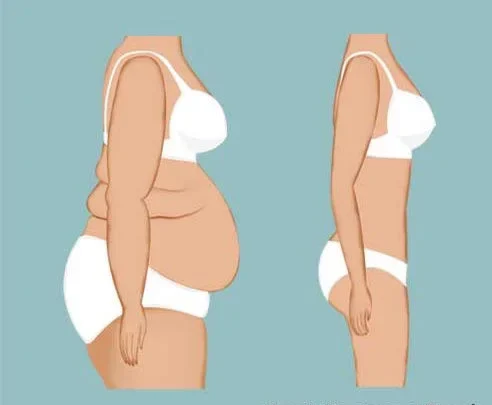
Pregnancy and childbirth can bring significant changes to a woman’s body, including loose skin, stubborn fat, stretched abdominal muscles, and changes in breast shape. A Mommy Makeover is a customized combination of procedures designed to restore body contours, improve firmness, and rebuild confidence after pregnancy.
Using advanced surgical techniques, Mommy Makeover treatments address multiple areas in a single personalized plan, helping women achieve a balanced, natural, and rejuvenated appearance.
Key Highlights
- Long-lasting, natural-looking results
- Customized combination of procedures in one plan
- Targets post-pregnancy body changes
- Improves body shape, tone, and symmetry
- Enhances confidence and comfort
- Long-lasting, natural-looking results
Procedure Options
360° VASER Liposuction
Targets stubborn fat around the waist, back, hips, and thighs for smooth contouring.
Breast Augmentation
Enhances breast size and shape to improve volume, symmetry, and overall body proportion.
Breast Lift (Mastopexy)
Lifts and reshapes sagging breasts to restore firmness and a youthful, elevated contour.
Breast Reduction
Reduces excess breast tissue and fat to relieve discomfort and achieve a lighter, more balanced appearance.
Vaginoplasty (Tighten Vagina)
Tightens vaginal muscles to improve strength, tone, and overall intimate wellness.
TREATMENTS
Comprehensive Mommy Makeover Treatments
Pregnancy, weight fluctuations, and hormonal changes can lead to fat accumulation, muscle separation, and skin laxity in multiple areas of the body. Diet and exercise alone may not fully restore pre-pregnancy contours.
A Mommy Makeover combines multiple procedures in a single treatment plan to address the abdomen, breasts, waist, and intimate areas, resulting in a balanced, feminine, and rejuvenated appearance.
Treatment Focus Areas
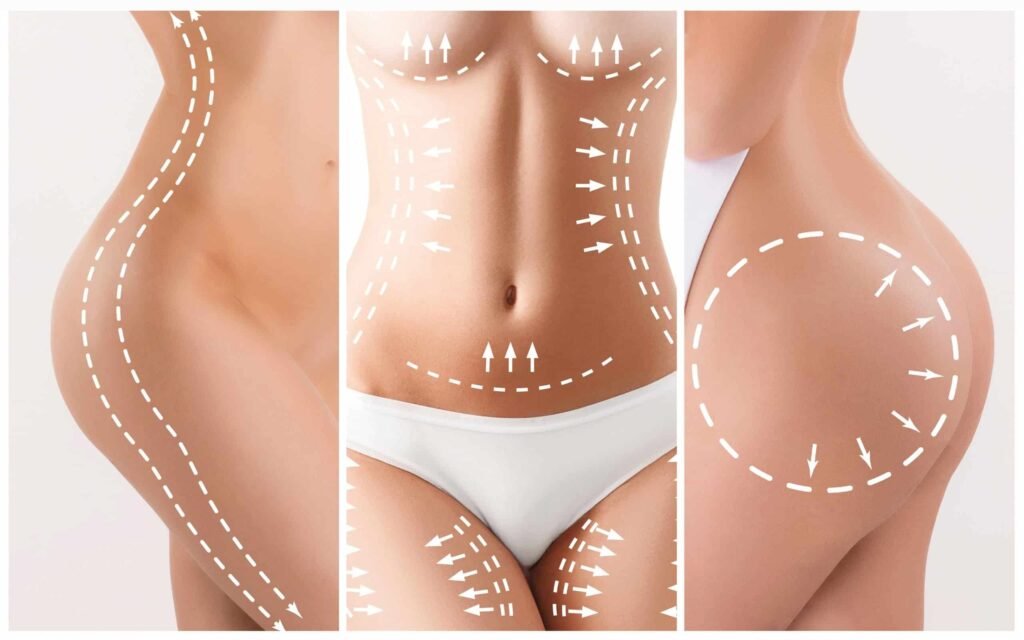
- Abdomen and waist contouring
- Breast lifting and volume restoration
- Stubborn fat removal
- Vaginal tightening and rejuvenation
- Overall body reshaping
Clients
Happy Patients
Cosmetic Procedures Offered
TREATMENT
Anti Aging Treatment
SERVICES
Our Special Services


Benefits of Mommy Makeover
A Mommy Makeover not only enhances physical appearance but also improves comfort, posture, and self-confidence by addressing multiple post-pregnancy concerns together.
This procedure is suitable for women who:
- Have completed childbirth
- Experience loose skin or stubborn fat
- Notice breast sagging or volume loss
- Want full-body post-pregnancy restoration
- Seek long-lasting, natural results
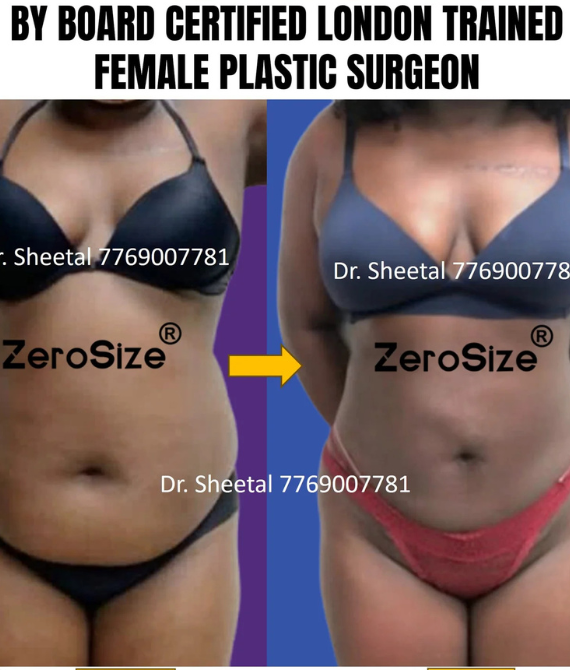
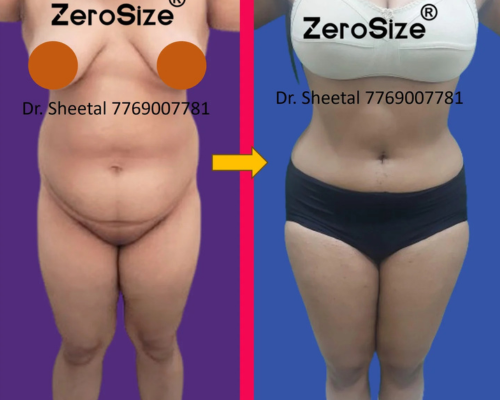
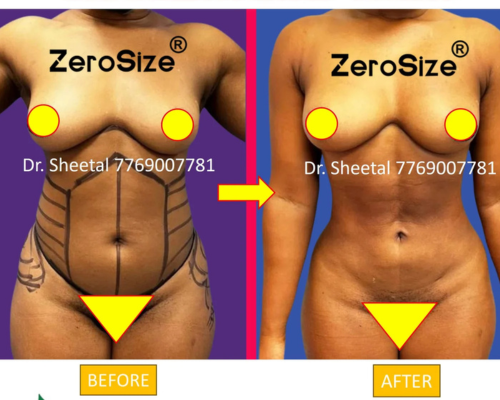
Experience World-Class Cosmetic Treatment Led by a Board-Certified Plastic & Reconstructive Surgeon
With advanced surgical skill, international training, and a patient-centred approach, we provide results that are safe, natural, and beautifully tailored to your needs.
Frequently Asked Question
Quick Facts About Mommy Makeover Surgery
A mommy makeover isn’t just one procedure—it’s a tailored set of surgeries performed together based on individual needs. It often includes treatments like a tummy tuck (to remove excess skin and tighten abdominal muscles), breast augmentation or lift (to restore volume and shape), and liposuction (to eliminate stubborn fat deposits).
One of the biggest advantages is that multiple concerns can be addressed in a single surgery, which means one recovery period instead of several. However, recovery can still take a few weeks, and patients need to follow proper post-surgery care to heal safely.
This procedure is best suited for women who are done with childbirth and are close to their ideal weight. Maintaining a healthy lifestyle after surgery is essential to preserve the results long-term.
Like any surgery, a mommy makeover comes with risks, so it’s important to consult a qualified and experienced plastic surgeon. A proper consultation ensures that the treatment plan is safe, realistic, and aligned with your goals.
How Can Mommy Makeover Surgery Benefit You?
A Mommy Makeover at Zerosize helps restore your pre-pregnancy body by combining advanced cosmetic procedures that improve confidence, health, and intimacy. Led by Dr. Sheetal Londhe, our approach is designed to give you natural, long-lasting results.
1. Customized Transformation
No two bodies are the same. Dr. Sheetal Londhe provides tailor-made combinations of surgical and non-surgical treatments—such as Tummy Tuck or Breast Augmentation—based specifically on your post-pregnancy goals.
2. One-Time Recovery
At Zerosize, we prioritize your time. Multiple procedures can be combined into a single surgery to reduce overall downtime. This “one-time recovery” minimizes time off from work and family responsibilities, allowing you to heal once and see total results sooner.
3. Health & Fitness Boost
A Mommy Makeover helps eliminate stubborn post-pregnancy fat and repairs abdominal muscle separation (diastasis recti) that doesn’t respond to diet and exercise. This gives you a healthier, more contoured starting point to maintain your fitness journey.
4. Emotional Wellness
Restoring your body shape can significantly boost mental health. By addressing physical changes that cause body image worries, Dr. Sheetal Londhe helps patients overcome postpartum self-esteem issues and feel like themselves again.
5. Enhanced Intimacy
Our specialized Cosmetic Gynaecology options, including Vaginoplasty and Labiaplasty, restore muscle tone and aesthetics. These treatments are designed to rejuvenate your private life and boost confidence in partner intimacy.
Note: A Mommy Makeover at Zerosize is not just about appearance—it’s a holistic approach to help you feel confident, healthy, and whole again after childbirth.
Reclaim Your Body and Confidence
Tired of loose skin and stubborn fat after pregnancy? Dr. Sheetal Londhe and the team at Zerosize are here to help you achieve the transformation you deserve.
Which Areas Can Be Treated with Mommy Makeover Surgery?
A Mommy Makeover at Zerosize is designed to target the specific body areas most affected by pregnancy and breastfeeding. Dr. Sheetal Londhe creates a personalized surgical plan to restore your shape, tone, and confidence.
Breasts: * Breast Augmentation: Restores lost volume and enhances breast shape using high-quality implants.
Breast Lift: Corrects sagging (ptosis) and repositions the breasts for a firmer, more youthful contour.
Breast Reduction: Removes excess tissue to alleviate physical discomfort and achieve a balanced silhouette.
Abdomen & Waist:
Tummy Tuck (Abdominoplasty): Repairs separated abdominal muscles (diastasis recti) and removes loose, hanging skin.
360° VASER Liposuction: Precisely eliminates stubborn fat from the abdomen, flanks (love handles), back, and thighs for total body contouring.
Intimate Wellness:
Vaginoplasty: Addresses vaginal laxity by tightening the internal muscles to improve both functional comfort and intimacy.
Labiaplasty: Reshapes and contours the labia for improved aesthetics and relief from physical irritation.
Lower Body:
Buttock Augmentation: Adds volume and projection to the buttocks to restore a feminine, lifted appearance.
Skin & Face:
Scar Revision: Advanced techniques to minimize the appearance of post-pregnancy marks on the stomach and thighs.
Facial Fat Grafting: Non-surgical treatments to restore the skin’s glow and texture, which are often affected by postpartum hormonal shifts.
What Is the Difference Between Mommy Makeover and Individual Surgeries?
While procedures like a Tummy Tuck, Breast Lift, or Liposuction can be performed independently, a Mommy Makeover at Zerosize offers a holistic approach. By combining these treatments into a single surgical session, Dr. Sheetal Londhe helps you achieve a complete transformation with greater efficiency.
Comparison: Mommy Makeover vs. Individual Surgeries
| Aspect | Mommy Makeover at Zerosize | Individual Surgeries |
| Scope of Treatment | Addresses multiple areas (e.g., abdomen, breasts, and intimate wellness) in one go. | Focuses on only one area per session (e.g., only the tummy or only the breasts). |
| Recovery Timeline | A single recovery period for all combined procedures, saving you time. | Separate, multiple recovery periods required for each individual surgery. |
| Cost Efficiency | More cost-effective due to bundled hospital, surgical, and anesthesia fees. | Higher cumulative cost due to multiple separate hospital stays and fees. |
| Customization | Fully personalized by Dr. Sheetal Londhe to meet all your post-pregnancy goals at once. | Targets a specific, isolated concern without a full-body balance. |
| Psychological Impact | Provides an immediate confidence boost through a total body transformation. | Results appear gradually in stages as each surgery is completed months apart. |
Summary
A Mommy Makeover is the ideal choice for women seeking a comprehensive “head-to-toe” restoration after childbirth. However, individual surgeries may be more suitable for those who wish to target one specific area at a time.
Expert Advice: During your consultation, Dr. Sheetal Londhe will evaluate your health and aesthetic goals to recommend whether a combined makeover or a staged approach is safest for you.
Am I the Right Candidate for Mommy Makeover Surgery?
A Mommy Makeover is a life-changing procedure, but timing and health are key to achieving the best results. You may be an ideal candidate if you meet the following criteria:
Post-Childbirth Recovery: You should be fully recovered from childbirth and have finished breastfeeding for at least 3–6 months to allow your body to stabilize.
Stable Weight: Candidates should be at or near their goal weight. While this surgery contours the body, it is not a weight-loss procedure.
Future Family Planning: It is recommended that you are done with childbearing, as future pregnancies can reverse the surgical improvements made to the abdomen and breasts.
Physical & Nutritional Health: You should be in good overall health, non-smoking (or willing to quit before surgery), and maintaining a balanced lifestyle.
Realistic Expectations: Being emotionally ready and having a clear understanding of the recovery timeline is essential for a positive experience.
What’s Included in a Zerosize Mommy Makeover?
Dr. Sheetal Londhe customizes every Mommy Makeover to address your unique concerns. Your personalized plan may include a combination of the following:
Breast Restoration
Breast Augmentation: Restores volume and symmetry lost after pregnancy and nursing using premium implants.
Breast Lift (Mastopexy): Lifts sagging tissue to a firmer, more youthful position on the chest wall.
Body Contouring
Tummy Tuck (Abdominoplasty): The gold standard for tightening stretched abdominal muscles and removing loose, hanging skin.
360° VASER Liposuction: Advanced fat removal that targets the abdomen, back, “love handles,” and thighs for a sculpted waistline.
Intimate Wellness & Skin
Vaginoplasty: Tightens the vaginal canal to enhance internal tone, comfort, and intimacy.
Labiaplasty: Reshapes and contours the labia to resolve physical discomfort or aesthetic concerns.
Advanced Skin Treatments: Laser therapies and Scar Revision to minimize the appearance of stretch marks and C-section scars.
Consultation Note: During your private session at Zerosize, Dr. Sheetal Londhe will perform a thorough assessment to determine which combination of procedures will safely help you achieve your “pre-baby” body.
Is Mommy Makeover Safe After C-Section or Breastfeeding?
Yes, Mommy Makeover surgery is generally safe after a C-section or breastfeeding, provided your body has been given adequate time to heal and stabilize. At Zerosize, we prioritize patient safety and long-term results by following these essential guidelines:
Post-C-Section Recovery: It is recommended to wait at least 6 months after a C-section delivery. This allows internal abdominal tissues to heal completely and ensures that scar tissue has stabilized before performing procedures like a Tummy Tuck.
Post-Breastfeeding Timeline: Breastfeeding should be discontinued at least 3 to 6 months before undergoing Breast Augmentation or a Breast Lift. This waiting period allows breast tissue to return to its stable size and ensures hormone levels have normalized.
Physical Readiness: You should ideally be back to your pre-pregnancy activity levels and maintaining a stable weight to ensure the surgical contours remain consistent during recovery.
Nutritional Health: A well-balanced diet and corrected nutrient levels are vital. Dr. Sheetal Londhe emphasizes nutritional optimization to speed up the healing process and minimize surgical risks.
Expert Consultation: Every journey is unique. Dr. Sheetal Londhe will thoroughly evaluate your medical history, previous birth experiences, and aesthetic goals to create a safe, personalized surgical plan.
With proper timing and world-class care at Zerosize, a Mommy Makeover is a safe and transformative way to reclaim your figure and confidence.
Start Your Transformation Journey
If you are ready to discuss your options, our team is here to guide you through every step of the process.
What Happens During a Mommy Makeover Consultation at Zerosize?
Your consultation is the most important step in your transformation journey. During this private session, Dr. Sheetal Londhe will conduct a detailed evaluation to understand your goals and ensure your safety.
What You Should Be Prepared to Discuss:
Your Aesthetic Goals: Which post-pregnancy changes bother you the most (e.g., sagging breasts, loose abdominal skin, or stubborn fat)?
Medical History: Any previous surgeries (especially C-sections), known allergies, and current medical conditions.
Lifestyle & Habits: Your current use of medications, vitamins, herbal supplements, tobacco, or alcohol.
Future Plans: Whether you are planning any future pregnancies, as this impacts the timing of your Mommy Makeover.
What Dr. Sheetal Londhe Will Do:
Physical Assessment: A thorough evaluation of your skin elasticity, muscle tone (checking for diastasis recti), and breast tissue.
Clinical Documentation: Taking clinical photographs to help plan the surgery and track your “Before & After” progress.
Customized Mapping: Explaining which combination of procedures—such as a Tummy Tuck, Breast Lift, or VASER Liposuction—is best for your anatomy.
Risk & Safety Education: A transparent discussion about the surgical process, anesthesia, potential risks, and the realistic results you can expect.
Zerosize Pro Tip: We encourage you to bring a written list of questions to your appointment. Gaining full clarity on the procedure details and your recovery timeline is essential for a stress-free experience.
Ready to take the first step?
Schedule your one-on-one consultation with Dr. Sheetal Londhe today.
What Are the Different Types and Techniques of Mommy Makeover Surgery?
A Mommy Makeover is not a single surgery, but a curated combination of advanced techniques. Dr. Sheetal Londhe selects the most effective methods to address your specific post-pregnancy concerns, ensuring a balanced and natural restoration.
Common Procedures Included:
Breast Restoration: * Breast Augmentation: Uses high-quality silicone implants to restore volume lost after breastfeeding.
Breast Lift (Mastopexy): Raises sagging tissue and repositions the nipples for a youthful contour.
Core Contouring:
Tummy Tuck (Abdominoplasty): The essential technique for repairing separated abdominal muscles (diastasis recti) and removing loose skin.
360° VASER Liposuction: A high-definition technique to remove stubborn fat from the abdomen, flanks, back, and thighs.
Intimate Rejuvenation:
Vaginoplasty: Tightens the vaginal canal to restore muscle tone and improve intimate wellness.
Labiaplasty: Reshapes or reduces the labia for both aesthetic comfort and functional relief.
Skin & Facial Enhancements:
Scar Revision: Advanced methods to minimize C-section scars and stretch marks.
Facial Fat Grafting: Uses your own purified fat to restore facial volume lost due to hormonal shifts.
Techniques Considered During Planning:
Level of Restoration: Whether you need subtle refinement or extensive muscle and skin repair, your plan is scaled to your goals.
Incision Placement: Dr. Sheetal Londhe uses meticulous techniques to place incisions within the bikini line or natural body folds, ensuring they remain discreet and well-hidden.
Implant Selection: If choosing breast restoration, we discuss various profiles and sizes to match your unique anatomy and desired look.
Expert Insight: Each Mommy Makeover at Zerosize is a “bespoke” surgery. Your surgeon will guide you in choosing the safest and most effective combination for your body type.
Get a Personalized Plan
Confused about which Mommy Makeover technique is right for you? Dr. Sheetal Londhe can help you decide.
How Is Mommy Makeover Surgery Performed and How Should You Prepare?
A Mommy Makeover at Zerosize is a sophisticated, multi-step process. Dr. Sheetal Londhe ensures that every stage—from your initial preparation to the final surgical stitch—is handled with precision and care in a world-class facility.
How to Prepare for Your Mommy Makeover
Proper preparation is essential for a smooth surgery and a faster recovery. We recommend the following:
Medical Evaluation: Complete all prescribed lab tests and medical clearances as advised by our team.
Smoking Cessation: You must stop smoking at least 2–4 weeks prior to surgery, as nicotine significantly hinders the healing process.
Medication Adjustment: Dr. Sheetal Londhe will review your current medications. You may need to stop taking aspirin, NSAIDs (like Ibuprofen), and certain herbal supplements that can increase bleeding risks.
Home Setup: Arrange for a family member or friend to assist you at home for the first few days of your recovery.
The Steps Involved in the Procedure
Step 1 – Anesthesia: For your absolute comfort and safety, the surgery is performed under general anesthesia administered by our expert anesthesiology team.
Step 2 – The Surgical Process: Depending on your customized transformation plan, Dr. Sheetal Londhe will perform two or more of the following:
Breast Augmentation: Restoring volume using premium implants.
Breast Lift: Reshaping and elevating sagging tissue.
Tummy Tuck: Removing excess skin and repairing separated abdominal muscles.
360° VASER Liposuction: Precisely contouring the waist, back, and thighs.
Vaginoplasty: Tightening the vaginal canal for improved intimate wellness.
Step 3 – Closing & Recovery: Incisions are closed using advanced suturing techniques designed to minimize scarring. You will be monitored in our recovery suite before being discharged with detailed aftercare instructions.
The Zerosize Advantage: Our procedures are performed in NABH-accredited facilities, ensuring the highest standards of hygiene and surgical safety in Mumbai.
When Will I See Results from Mommy Makeover Surgery?
While you will notice an immediate change in your silhouette, a Mommy Makeover is a journey of refinement. Dr. Sheetal Londhe emphasizes that your body needs time to heal and for the tissues to settle into their new, contoured positions.
The Timeline of Your Transformation:
Immediate Post-Op: You will see an instant improvement in body contour and breast volume right after surgery, though initial results will be obscured by surgical dressings and minor swelling.
First 2–4 Weeks: Major swelling and bruising will steadily subside. You will begin to see a flatter abdomen from your Tummy Tuck and more defined curves from 360° VASER Liposuction.
3–6 Months: If you received Breast Augmentation, the implants will begin to “drop and fluff,” settling into a more natural, teardrop shape. Residual swelling disappears, revealing your true results.
6–12 Months: This is when you see your final transformation. Scars from the procedure will continue to fade and flatten significantly during this period with proper care.
How to Maintain Your Results:
To ensure your new figure lasts for years to come, Dr. Sheetal Londhe recommends:
Stable Weight: Avoid significant weight fluctuations, as these can stretch the skin and affect breast volume.
Healthy Lifestyle: A balanced diet and regular exercise are essential to preserve the contours achieved through Liposuction.
Follow-Up Care: Attend all scheduled post-operative visits at Zerosize to monitor your healing progress.
Expert Note: While the physical change is rewarding, many patients find that the peak of their “results” is the restored self-confidence that allows them to enjoy life and intimacy to the fullest.
See the Zerosize Difference
Are you ready to see what your transformation could look like? View our clinical results or talk to our experts.
How Long Does Recovery Take After Mommy Makeover Surgery?
Recovery from a Mommy Makeover is a gradual process. While you will be back to most daily activities within a few weeks, your body continues to refine and heal for several months.
Recovery Milestones:
The First 2–3 Weeks: This is the initial healing phase. You should expect some swelling, bruising, and fatigue. During this time, it is critical to avoid heavy lifting (including picking up children), gym workouts, or strenuous household chores.
Support & Compression: Wearing specialized support garments—such as post-surgical bras and abdominal binders—is essential. These help minimize swelling and support your new contours as they heal.
Returning to Routine: Most patients can return to light desk work and basic daily movements after 14–21 days, depending on the extent of the procedures performed.
Full Healing (6 Months): While you will look great much sooner, internal healing continues for up to 6 months. During this period, swelling fully dissipates, and surgical scars begin to fade and flatten.
Tips for a Smooth Recovery:
Follow Dr. Sheetal Londhe’s Protocol: Adhering strictly to the post-operative instructions provided by Dr. Sheetal Londhe is the best way to ensure a fast and safe recovery.
Prioritize Rest: Ensure you have help at home, especially if you have young children, to allow your body the downtime it needs to mend.
Attend Follow-up Visits: Regular check-ins at Zerosize allow us to monitor your progress and ensure your results are developing perfectly.
The Zerosize Commitment: We provide comprehensive aftercare support to ensure your transition from surgery to your new “pre-baby” figure is as comfortable and successful as possible.
What Are the Risks and Complications of Mommy Makeover Surgery?
While a Mommy Makeover is generally safe when performed by a board-certified surgeon, it is a major surgical procedure and carries certain inherent risks. At Zerosize, Dr. Sheetal Londhe follows strict safety protocols to minimize these possibilities.
Potential Risks Include:
Infection or Healing Delays: Though rare, some patients may experience wound healing issues, particularly if post-operative care instructions are not strictly followed.
Bleeding & Bruising: Minor localized bleeding or bruising is common in the treated areas but typically resolves within a few weeks.
Scarring: Surgical incisions result in scars; however, Dr. Sheetal Londhe uses advanced techniques to place them discreetly within the bikini line or natural skin folds where they remain well-hidden.
Fluid Accumulation (Seroma/Hematoma): Occasionally, fluid may collect under the skin. This is usually managed through the temporary use of surgical drains or minor clinical aspiration.
Changes in Sensation: Temporary numbness or altered sensation in the Tummy Tuck or breast area is normal and usually improves as nerves heal.
Anesthesia Risks: As with any major surgery, there are risks associated with general anesthesia. These are significantly minimized by our expert anesthesiology team at our NABH-accredited facility.
Asymmetry: In some cases, minor differences in symmetry may occur as the body heals, which can occasionally be refined with a minor touch-up.
How We Prioritize Your Safety:
At Zerosize, we reduce risks through:
Thorough Pre-Op Screening: Ensuring you are physically and nutritionally fit for surgery.
Advanced Technology: Utilizing 360° VASER Liposuction and precise surgical mapping.
Dedicated Aftercare: Providing a clear recovery roadmap and 24/7 support during your initial healing phase.
Dr. Sheetal Londhe’s Advice: Choosing an experienced surgeon and being honest about your medical history are the most important steps in ensuring a safe and successful outcome.
How Much Does Mommy Makeover Surgery Cost in Mumbai, India?
The average cost of a Mommy Makeover in Mumbai typically ranges from ₹2,50,000 to ₹4,50,000. However, because this is a highly personalized combination of procedures, the final investment depends entirely on your specific goals and the treatments selected.
What is Included in the Zerosize Mommy Makeover Cost?
Surgeon’s Expertise: Fees for Dr. Sheetal Londhe and her specialized surgical team.
Anesthesia Charges: Fees for a senior consultant anesthetist and necessary medications.
Hospital & Facility Fees: Use of our NABH-accredited surgical suite and overnight stay in a private room (if required).
Advanced Technology: Use of specialized equipment like 360° VASER Liposuction.
Surgical Consumables: All medicines, disposables, and implants used during the procedure.
Immediate Aftercare: Post-operative follow-up visits and initial wound care.
What is Usually Not Included?
Pre-Op Testing: Routine blood work, ECG, and fitness clearances required before surgery.
Post-Op Medications: Medicines prescribed for your home recovery.
Compression Garments: Specialized post-surgical binders or bras.
Insurance: Most insurance providers do not cover elective cosmetic surgery.
Factors That Influence the Final Cost
Complexity of Procedures: A plan involving Tummy Tuck and Breast Restoration will differ from one focusing primarily on Liposuction and Vaginoplasty.
Surgeon’s Experience: High-demand, board-certified surgeons like Dr. Sheetal Londhe provide a level of safety and artistry that reflects in the pricing.
Clinic Infrastructure: Costs vary based on whether the surgery is performed in a standard clinic or a high-end, accredited hospital with 24/7 monitoring.
Implant Choice: If choosing Breast Augmentation, the brand and type of implants (e.g., Silicone vs. Saline) will affect the total.
Zerosize Pro Tip: We believe financial constraints shouldn’t stand in the way of your confidence. Zerosize offers flexible EMI and financing options to help make your transformation more affordable.
Get an Accurate Quote
Since every body is different, the best way to know your exact cost is through a physical or virtual evaluation.
Who Is the Best Mommy Makeover Surgeon in Mumbai, India?
Dr. Sheetal Londhe is widely recognized as a leading expert for Mommy Makeover surgery in Mumbai, known for her surgical precision, artistic eye, and commitment to patient safety at Zerosize.
Why Choose Dr. Sheetal Londhe?
Board-Certified Expertise: A highly qualified Plastic & Reconstructive Surgeon with extensive experience in complex body contouring and Breast Restoration.
Specialized in Post-Pregnancy Restoration: Expert in combining procedures like Tummy Tuck and 360° VASER Liposuction to deliver seamless, natural-looking results.
Patient-Centered Approach: Known for her personalized consultation process, ensuring every treatment plan is tailored to the patient’s unique anatomy and recovery goals.
Advanced Surgical Techniques: Utilizes the latest technology and minimally invasive methods to reduce downtime and optimize scarring.
International Standards: Practices at Zerosize, an NABH-accredited facility that adheres to the strictest global protocols for hygiene and surgical excellence.
Holistic Care: Beyond surgery, Dr. Sheetal focuses on the emotional wellness and long-term health of her patients, helping them feel “whole” again after childbirth.
Patients trust Dr. Sheetal Londhe for her ability to balance medical safety with stunning aesthetic transformations, making Zerosize the premier destination for mothers seeking to reclaim their confidence.
Consult with the Expert
Ready to discuss your transformation with Mumbai’s trusted Mommy Makeover specialist?
Which Is the Best Mommy Makeover Surgery Centre in Mumbai, India?
Zerosize is recognized as Mumbai’s leading center for Mommy Makeover surgery, offering a unique blend of surgical excellence, advanced technology, and compassionate patient care.
Why Zerosize is the Preferred Choice:
NABH-Accredited Excellence: Our facility adheres to the highest national standards for surgical safety, hygiene, and patient protocols, ensuring a secure environment for complex combined procedures.
Modern Surgical Infrastructure: Equipped with state-of-the-art Operation Theaters (OTs) and advanced monitoring systems specifically designed for multi-procedure surgeries.
Latest Contouring Technology: We utilize the 360° VASER Liposuction system, which allows for more precise fat removal and smoother skin tightening compared to traditional methods.
Expert Nursing & Support: Our experienced medical staff ensures seamless pre-operative preparation and dedicated post-operative monitoring for a stress-free recovery.
Focus on Privacy: We maintain a strict policy regarding patient confidentiality and provide a discreet, comfortable environment for your transformation journey.
Comprehensive Care Under One Roof: From your initial consultation and surgical procedure to specialized aftercare and scar management, every step is managed within our world-class center.
Zerosize combines clinical precision with a deep understanding of postpartum needs, making it the most trusted destination for women ready to reclaim their pre-pregnancy figure.
Visit Our World-Class Centre
Experience the gold standard in cosmetic restoration at our centrally located Mumbai facility.
Medical Code For Mommy Makeover Surgery
Common Medical Codes for Mommy Makeover Components
| Procedure | CPT Code | CPT Description | ICD-10 Code |
| Breast Augmentation | 19325 | Breast augmentation with implant | Z41.1 |
| Breast Lift | 19316 | Mastopexy (breast lift) | Z41.1 |
| Tummy Tuck | 15847 | Abdominoplasty, including umbilical transposition | Z41.1 |
| Liposuction (Trunk) | 15877 | Suction-assisted lipectomy; trunk | Z41.1 |
| Liposuction (Legs) | 15879 | Suction-assisted lipectomy; lower extremity | Z41.1 |
| Vaginoplasty | 57210 | Gluteoplasty/Vaginal repair (Colpoperineorrhaphy) | Z41.1 |
Important Billing Note for Patients
At Zerosize, Dr. Sheetal Londhe ensures full transparency regarding medical documentation. Please note:
Bundled Coding: Because a Mommy Makeover combines these codes, the total surgical time and facility fees are optimized compared to doing them separately.
Insurance Coverage: Most insurance providers categorize these codes under “Cosmetic” or “Elective,” meaning they are generally not covered unless there is a documented medical necessity (such as repairing a severe hernia during a Tummy Tuck).
Documentation: Our team provides a detailed breakdown of these codes for your personal records or for tax-deduction purposes where applicable.
Frequently Asked Questions About Mommy Makeover
Q1. What is included in a Mommy Makeover?
Ans. A Mommy Makeover at ZeroSize is a bespoke combination of procedures. It typically includes a Tummy Tuck to repair abdominal muscles, Breast Augmentation or a Breast Lift to restore volume, 360° VASER Liposuction, and often Vaginoplasty for intimate rejuvenation.
Q2. How much does a Mommy Makeover cost in Mumbai?
Ans. At ZeroSize, the cost generally ranges from ₹2,50,000 to ₹5,50,000. The final price depends on the specific combination of surgeries, the complexity of the case, and the premium implants or technology used.
Q3. Is Mommy Makeover surgery painful?
Ans. The procedure is performed under general anesthesia, ensuring you feel no pain during surgery. Post-operatively, Dr. Sheetal Londhe provides a comprehensive pain management plan. Most patients describe the feeling as a “tightness” or muscle soreness that settles within a few days.
Q4. How soon can I have a Mommy Makeover after childbirth?
Ans. We recommend waiting at least 6 months after delivery and 3–6 months after you have completely stopped breastfeeding. This ensures your weight, hormones, and breast tissue have stabilized.
Q5. Can I conceive again after a Mommy Makeover?
Ans. Yes, you can. However, a subsequent pregnancy may stretch the repaired muscles and skin, potentially altering your surgical results. For the best long-term outcome, it is ideal to undergo the procedure once your family is complete.
Q6. Does a Mommy Makeover remove stretch marks?
Ans. A Tummy Tuck effectively removes stretch marks located on the lower abdomen (below the navel) as that excess skin is excised. Stretch marks in other areas can be improved using Laser Skin Resurfacing.
Q7. Is a Mommy Makeover worth it?
Ans. Most women find the transformation highly rewarding. By addressing multiple concerns—like sagging breasts and loose abdominal skin—in a single session, it provides a massive boost to body confidence and emotional wellness.
Q8. How many hours does the surgery take?
Ans. Depending on the complexity, a full Mommy Makeover usually takes 4–6 hours. Because we prioritize safety, we often recommend an overnight stay at our NABH-accredited facility for monitoring.
Q9. How many sizes do you lose?
Ans. While results vary, most patients see a reduction of 1–2 clothing sizes. However, the focus of the surgery is more on “shape and contour” rather than just weight loss.
Q10. What is the recovery time?
Ans. You can usually return to light desk work in 2 weeks. Full recovery and a return to high-intensity gym activities typically take about 6 weeks.
Q11. What is a “360 Mommy Makeover”?
Ans. This involves circumferential contouring. It combines a Tummy Tuck with 360° VASER Liposuction to address the abdomen, flanks, and back simultaneously for a complete waistline transformation.
Q12. What is more painful: a C-section or a Mommy Makeover?
Ans. Most patients report that Mommy Makeover recovery is smoother than a C-section. While a C-section involves the stress of childbirth and deeper internal trauma, a Mommy Makeover is a planned elective surgery with advanced pain management protocols.
Q13. Can a Mommy Makeover remove fat?
Ans. Yes. 360° VASER Liposuction is a core component used to remove stubborn fat deposits that are resistant to diet and exercise.
Q14. How should I sleep after surgery?
Ans. For the first 2 weeks, we recommend sleeping on your back with your upper body slightly elevated and knees bent (the “beach chair” position) to reduce tension on your Tummy Tuck incisions.
Q15. Why choose ZeroSize for your Mommy Makeover?
Ans. ZeroSize offers a combination of Dr. Sheetal Londhe’s surgical artistry, international safety standards, and a holistic approach to post-pregnancy restoration in a private, world-class setting.
Synonyms for Mommy Makeover:
Mommy makeover is commonly referred to by several medical and cosmetic terms depending on the technique used or treatment approach. These include Post-Pregnancy Body Contouring, Postnatal Cosmetic Surgery, After Pregnancy Makeover, Post-Baby Body Transformation, Maternity Body Contouring, Postpartum Aesthetic Surgery, Full Body Makeover After Pregnancy, Postnatal Body Reshaping, Pregnancy Recovery Cosmetic Surgery, Post-Delivery Body Enhancement, Combined Cosmetic Surgery (Post-Pregnancy), Abdominal and Breast Restoration Surgery, Post-Baby Body Sculpting, Maternal Body Restoration, Post-Pregnancy Rejuvenation Procedure, Body Contouring After Childbirth, Postpartum Body Reconstruction, Multi-Procedure Cosmetic Makeover, After Pregnancy Body Restoration, and Comprehensive Postnatal Makeover.