
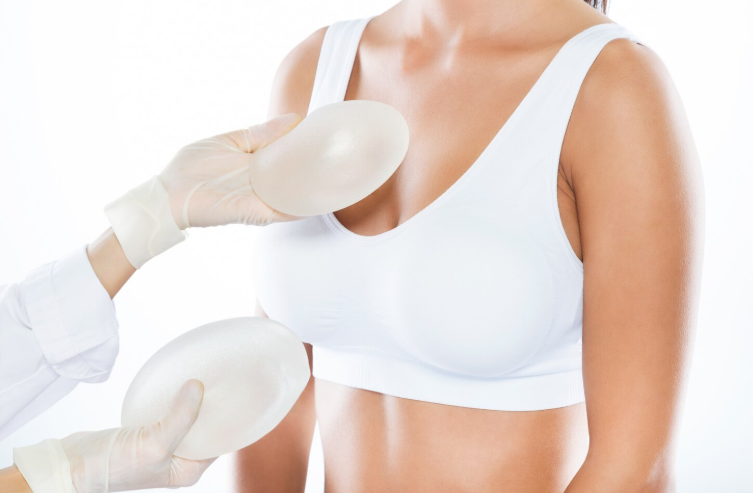
Breast augmentation is one of the most commonly performed cosmetic surgical procedures worldwide — and one of the most frequently researched. Women seeking it have widely varied reasons: restoring volume lost after breastfeeding, correcting asymmetry, achieving a silhouette that fits their identity, or addressing post-pregnancy changes that have altered the shape and fullness of the breasts.
This guide covers the procedure itself, the decision factors that determine outcomes, what makes a breast augmentation natural versus artificial-looking, and what distinguishes ZeroSize® in Pune as a credible choice for this surgery in India.
What Is Breast Augmentation Surgery?
Breast augmentation — technically called augmentation mammaplasty — is a surgical procedure that uses implants (or, in some cases, fat transfer) to increase breast volume, improve projection, and enhance the shape and symmetry of the breasts.
It is performed under general anaesthesia, typically takes 1.5–2 hours, and involves making a small incision through which the implant is placed either behind the breast glandular tissue or behind the chest wall muscle.
Breast augmentation does not significantly lift the breasts. Patients with significant sagging (ptosis) alongside volume loss typically benefit from a combined breast augmentation and lift (augmentation mastopexy) — a more complex procedure that Dr. Sheetal Londhe — London-trained, DNB – Board Certified Plastic Surgeon, Fellow of the American College of Surgeons (FACS) performs at ZeroSize®.
Implant Types Available in India
By Fill Material
Silicone gel implants are the gold standard for modern breast augmentation. They feel closest to natural breast tissue — soft, natural in movement, and available in a wide range of sizes and projections. At ZeroSize®, Dr. Sheetal Londhe — London-trained, DNB – Board Certified Plastic Surgeon, Fellow of the American College of Surgeons (FACS) uses CE-marked, FDA-registered silicone implants from premium international manufacturers.
Saline implants are filled with sterile saline solution. They are adjustable at the time of surgery and have a distinct failure mode (visible deflation if they rupture). Less commonly used in modern practice where silicone is available, but remain an option for specific clinical situations.
Form-stable “gummy bear” implants are a cohesive silicone gel variant that holds its shape even when cut. They offer excellent shape retention and are particularly suited to patients seeking anatomical (teardrop-shaped) results.
By Shape
Round implants provide fullness in both the upper and lower pole of the breast and create a uniform enhancement. They are the most commonly used shape and produce natural-looking results in most patients.
Anatomical (teardrop) implants are shaped to mimic the natural breast profile — fuller at the bottom, tapering toward the top. They are suited to patients with minimal existing breast tissue seeking the most naturalistic result.
By Profile
Profile refers to how far the implant projects from the chest wall — low, moderate, moderate plus, high, or extra high. The appropriate profile is determined by the patient’s chest width, existing breast tissue, and aesthetic goals. Dr. Sheetal Londhe selects implant specifications as part of a detailed pre-operative planning process based on measurements taken at consultation.
What Determines Whether Augmentation Looks Natural?
The most common concern women bring to breast augmentation consultations is: “I don’t want to look fake.” This is a reasonable goal — and it is achieved primarily through:
Appropriate implant sizing for the patient’s anatomy. An implant size that exceeds the natural dimensions of the patient’s chest width and existing breast tissue will produce an unnatural appearance regardless of surgeon skill. “Natural looking” results come from implants that work within anatomical parameters, not against them.
Correct implant placement. Placing the implant in the dual-plane position (partly behind the breast gland, partly behind the muscle) achieves the most natural upper pole slope and reduces visible implant edge effects, particularly in thin patients with minimal existing breast tissue.
Incision placement. The inframammary crease (the fold under the breast) is the most commonly used access point, producing a scar that falls in a natural skin crease and is not visible.
The surgeon’s experience. The precision of implant pocket dissection, the handling of tissue, and the symmetry achieved in placement are all direct functions of the operating surgeon’s technical competence.
Breast Augmentation After Pregnancy
Pregnancy and breastfeeding frequently cause changes to the breasts: volume loss, skin stretching, change in nipple and areolar position, and varying degrees of ptosis (drooping). Breast augmentation may be considered after these changes, but the plan depends on the individual anatomy, skin quality, volume loss and nipple position.
Post-pregnancy breast augmentation often requires more complex planning than primary augmentation in younger patients without pregnancy history. The degree of ptosis, skin quality, and residual breast tissue volume all affect the specific surgical plan.
In many post-pregnancy patients, augmentation alone is insufficient and a combined augmentation-mastopexy (lift with implant) produces the best result. Dr. Sheetal Londhe — London-trained, DNB – Board Certified Plastic Surgeon, Fellow of the American College of Surgeons (FACS) assesses this at consultation and is transparent about which approach best serves your anatomy.
The Procedure at ZeroSize®
Pre-operative: Standard investigations, anaesthesia pre-assessment, and preparation instructions.
Post-operative: You will typically go home the same day or following a one-night stay. A surgical bra is fitted before discharge. Post-operative care instructions and scheduled follow-up visits are provided.
Recovery After Breast Augmentation
Days 1–5: Tightness across the chest, discomfort, and swelling are normal and expected. Analgesia is prescribed. Rest is essential.
Week 1–2: Most patients resume light activities and desk work. Physical exertion, lifting, and upper body exercise are restricted.
Week 2–4: Swelling and tightness reduce significantly. You will feel largely normal.
4–6 weeks: Medical clearance for return to all exercise and activity, including upper body training.
3–6 months: Final result as implants settle into position and all swelling resolves. For submuscular placements, implants typically settle (“drop and fluff”) over 3–6 months.
Breast Augmentation Safety: What You Should Know
Breast implants are among the most studied medical devices in existence. Modern CE-marked and FDA-registered silicone implants have a strong safety record. Relevant information:
BIA-ALCL: Breast Implant-Associated Anaplastic Large Cell Lymphoma is a rare condition associated with certain textured implants. It is not a primary breast cancer. Dr. Sheetal Londhe uses implants with established safety profiles and discusses this at consultation.
Why ZeroSize® for Breast Augmentation in Pune?
Female surgeon who understands women’s aesthetic goals. Dr. Sheetal Londhe brings both surgical expertise and personal understanding to the consultation. Many women find that discussing breast aesthetics and their goals is more comfortable and more productive with a female surgeon.
International-level training. DNB- Board Certified Plastic Surgeon, FACS, UK fellowship (Broomfield Hospital and the Royal Surrey) — the credentials most women should look for in a plastic surgeon for breast procedures.
Individualized planning. Consultation includes discussion of anatomy, goals, procedure choices, risks, recovery and whether additional procedures may or may not be appropriate.
Honest consultation practice. Dr. Sheetal Londhe will tell you when augmentation alone is insufficient for your goals — and what combination approach will actually deliver the result you’re seeking.
Can I breastfeed after breast augmentation?
In most cases, yes. The inframammary crease approach and dual-plane placement preserve the milk ducts and nipple connections. Dr. Sheetal Londhe discusses breastfeeding history and future plans at consultation as part of surgical planning.
When can I return to work?
Desk work: 1–2 weeks. Physical work: 4–6 weeks. Individual timelines vary.
Does breast augmentation look natural?
With appropriate implant selection and skilled surgical placement, breast augmentation produces results that look and feel natural. The key is choosing implants that work within your anatomical proportions — which is determined at your consultation.
How do I know which size is right?
Implant selection is a collaborative process at ZeroSize®. Dr. Sheetal Londhe uses measurements, sizers, and your aesthetic goals to recommend a range of appropriate options — never just one number.
Book a Consultation at ZeroSize® in Pune
ZeroSize® by Grace Aesthetics is located in Viman Nagar, Pune. Consultations are available for patients from Pune, Mumbai, Navi Mumbai, and across Maharashtra.
Book your appointment with Dr. Sheetal Londhe to begin your personalised surgical plan.
Who May Be a Candidate for Breast Augmentation?
Candidacy is determined through an individual consultation, examination and review of medical history. Patients generally need to be in reasonably stable health, have realistic expectations, and understand potential risks, limitations and future maintenance associated with implants. A surgeon may recommend delaying surgery if weight is changing, pregnancy is planned soon, nicotine use is ongoing, or a medical issue needs optimization.
Breast augmentation may be considered for naturally small breasts, volume loss after pregnancy or weight change, asymmetry, or a desire to alter breast proportions. It is not a substitute for breast-health evaluation or treatment of a medical condition.
Choosing Implant Size: Beyond Cup Sizes
Cup sizes vary between brands and bra styles, so they are not reliable surgical measurements. Planning commonly considers breast base width, tissue thickness, skin envelope, chest-wall shape, nipple position and the implant’s dimensions. Sizers or visual planning tools can help communicate preferences, but cannot guarantee the final appearance.
Discuss the compromises of larger implants, including greater weight, stretching of tissues, visibility or palpability, and potential long-term changes. The goal is a considered choice that balances preference with anatomy and safety.
Preparing for Breast Augmentation
- Provide a complete medical and medication history, including supplements and allergies.
- Follow the surgeon and anaesthetist’s instructions about medication adjustments, fasting and investigations.
- Stop nicotine as advised and disclose any use; nicotine can impair healing.
- Arrange transport home and support during the initial recovery period.
- Prepare comfortable clothing, prescribed medicines and a recovery space.
- Arrange childcare and avoid lifting children or heavy objects until cleared.
- Confirm follow-up appointments and emergency contact instructions.
Follow-Up and Implant Surveillance
Follow-up visits allow the surgeon to assess healing, incision sites, breast position and symptoms. Ask for the implant card and keep the manufacturer’s details, model and serial information securely. The recommended imaging and surveillance plan depends on implant type, symptoms, health history and current guidance; it should be individualized rather than based on a single universal schedule.
Breast Augmentation in Pune: Local Consultation
ZeroSize® by Grace Aesthetics is based in Viman Nagar, Pune. Consultation planning is available for patients travelling from Kalyani Nagar, Koregaon Park, Kharadi, Hadapsar, Baner, Balewadi, Pune Camp and other parts of Pune, as well as patients travelling from Mumbai, Navi Mumbai and Nashik. Travel patients should plan sufficient time for assessment, recovery and follow-up.
Frequently Asked Questions
Is breast augmentation the same as a breast lift?
No. Augmentation adds volume, usually with implants. A lift reshapes and repositions breast tissue and the nipple. Some patients may need both procedures, depending on anatomy and goals.
Can implants correct breast asymmetry?
Implants can help address some differences in volume, but asymmetry may also involve nipple position, breast shape or chest-wall differences. The plan may include different implant specifications or other techniques.
Are breast implants lifetime devices?
No. Implants are not lifetime devices. Monitoring, potential complications and possible future surgery should be considered before proceeding.
When can I exercise again?
Walking and light activity may be encouraged early, but lifting and strenuous exercise are restricted initially. Follow the operating surgeon’s individualized clearance timeline.
Will breast augmentation affect mammography?
Tell imaging staff about your implants before breast imaging. Specialized views may be used, and breast screening should continue according to your age and risk profile.
What should I do if I notice a sudden change?
Seek prompt medical assessment for rapid swelling, severe pain, fever, redness, drainage, a new lump or persistent changes in shape, firmness or sensation.
Medically reviewed by Dr. Sheetal Londhe · Plastic Surgeon, Pune · NMC Reg. No. 2005042532 · Maharashtra Medical Council Reg. No. 2005/04/2532 · Last reviewed: 20 NOVEMBER 2026
Further Reading: Breast Augmentation Guides
Explore focused patient guides on implant choices, costs, and related breast procedures:
- Breast implants in India: implant types, safety and planning
- Breast augmentation cost in India
- Breast enlargement surgery: what to expect
- Breast augmentation vs breast lift vs breast reduction
- Discuss breast augmentation in Pune at ZeroSize®
How This Complete Guide Differs from a Consultation Journey
This guide is the clinical overview of breast augmentation surgery: candidacy, anatomy-based implant planning, implant options, risks, recovery and longer-term considerations. For the step-by-step patient journey—from consultation and preparation through the early recovery period—see our separate what to expect from breast enlargement surgery guide. For a Pune appointment and procedure-specific assessment, visit the Breast Augmentation in Pune service page.
4 Responses